Big Tech's AI Boom: Who Pays the Electricity Bill?
AI data centres are raising wholesale power prices and grid costs, and voters are pushing back. Who really pays for Big Tech's electricity, and what a fair deal looks like.
Every founder we've covered. Search by name, topic, or tag — or page through the archive.
AI data centres are raising wholesale power prices and grid costs, and voters are pushing back. Who really pays for Big Tech's electricity, and what a fair deal looks like.
Westpac is reportedly ending its Palantir contract after activist and shareholder pressure. Should shareholder activism decide which technology vendors a company uses?
Meta paused AI business terms that shifted liability for AI errors onto customers and claimed their website content. Why it matters for every business using AI.
Inside Deutsche Bank's 15 million leaked files: what they reportedly show about Epstein, Russian oligarchs and Trump, and whether a bank can genuinely reform its culture.
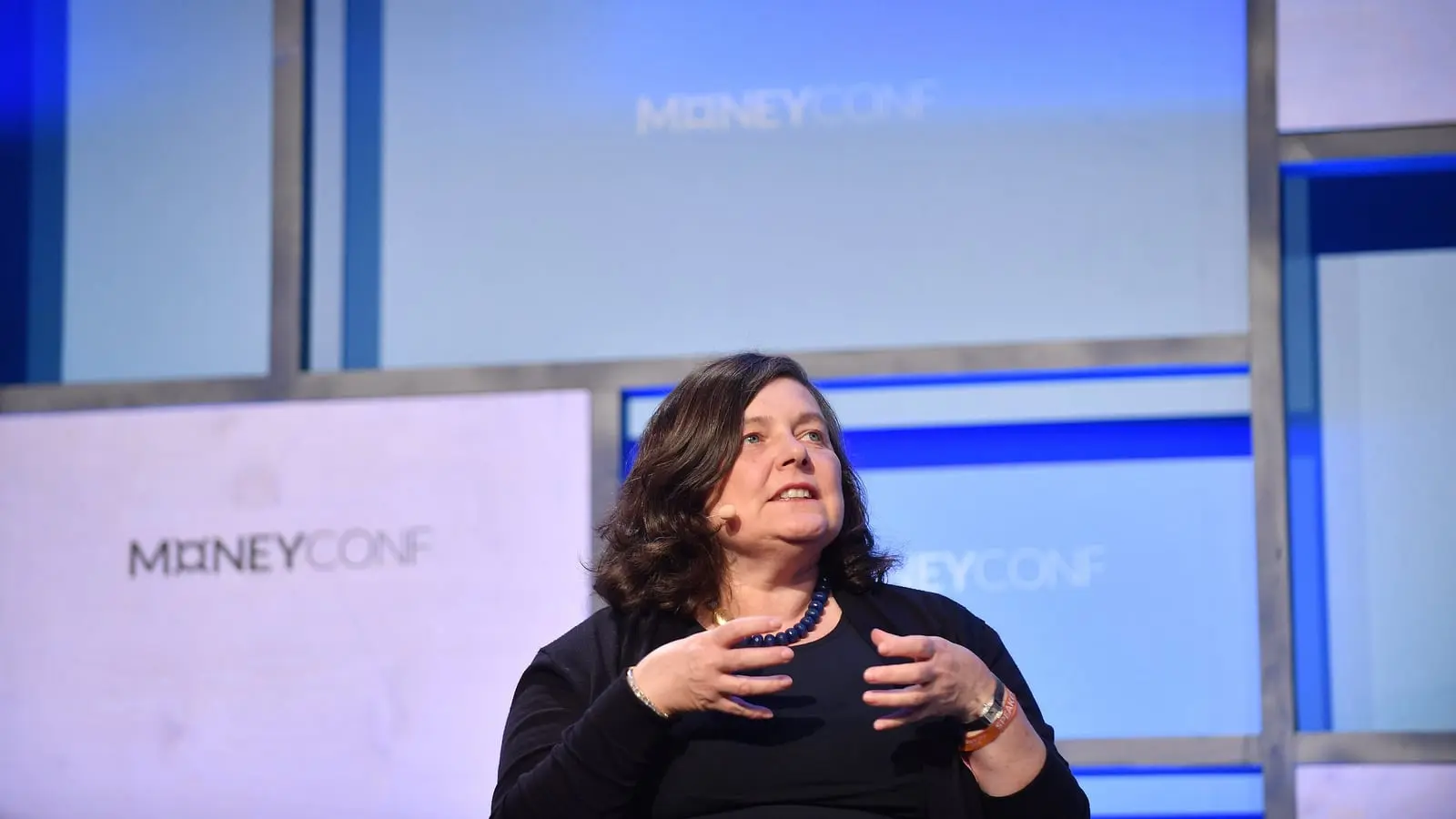
How Anne Boden left a 30-year banking career to found Starling Bank at 54, why it worked, what the FCA fine revealed, and why she is now building a bank for AI agents.
How Shivansh Mishra went from building data marts and risk models to co-founding Fensso Tech LLP and Krayuv Services, and the product portfolio he wants to build next.
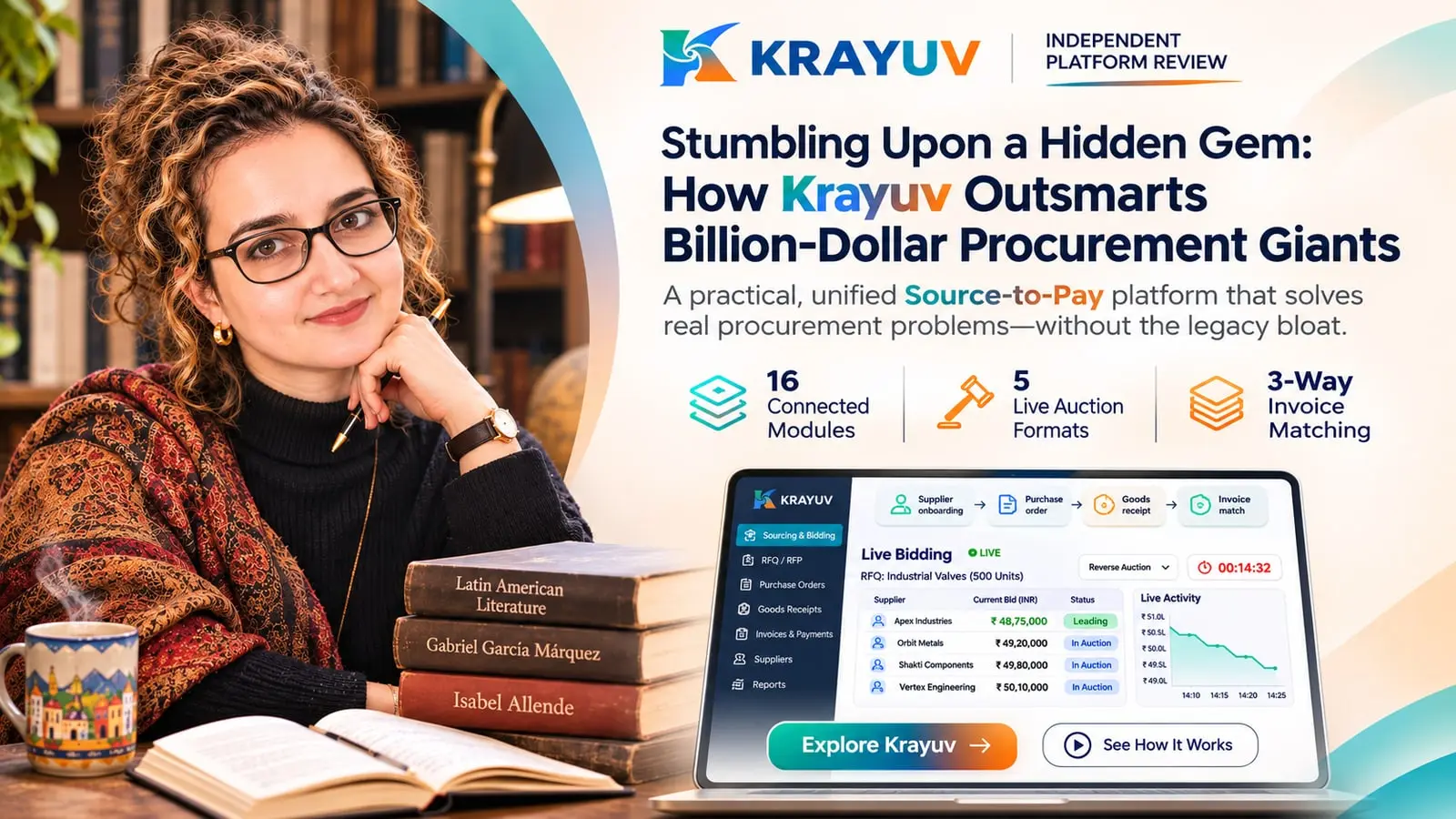
A close look at Krayuv, a Source-to-Pay platform with live auctions, structured RFQs and 3-way invoice matching, and where it still needs to grow.
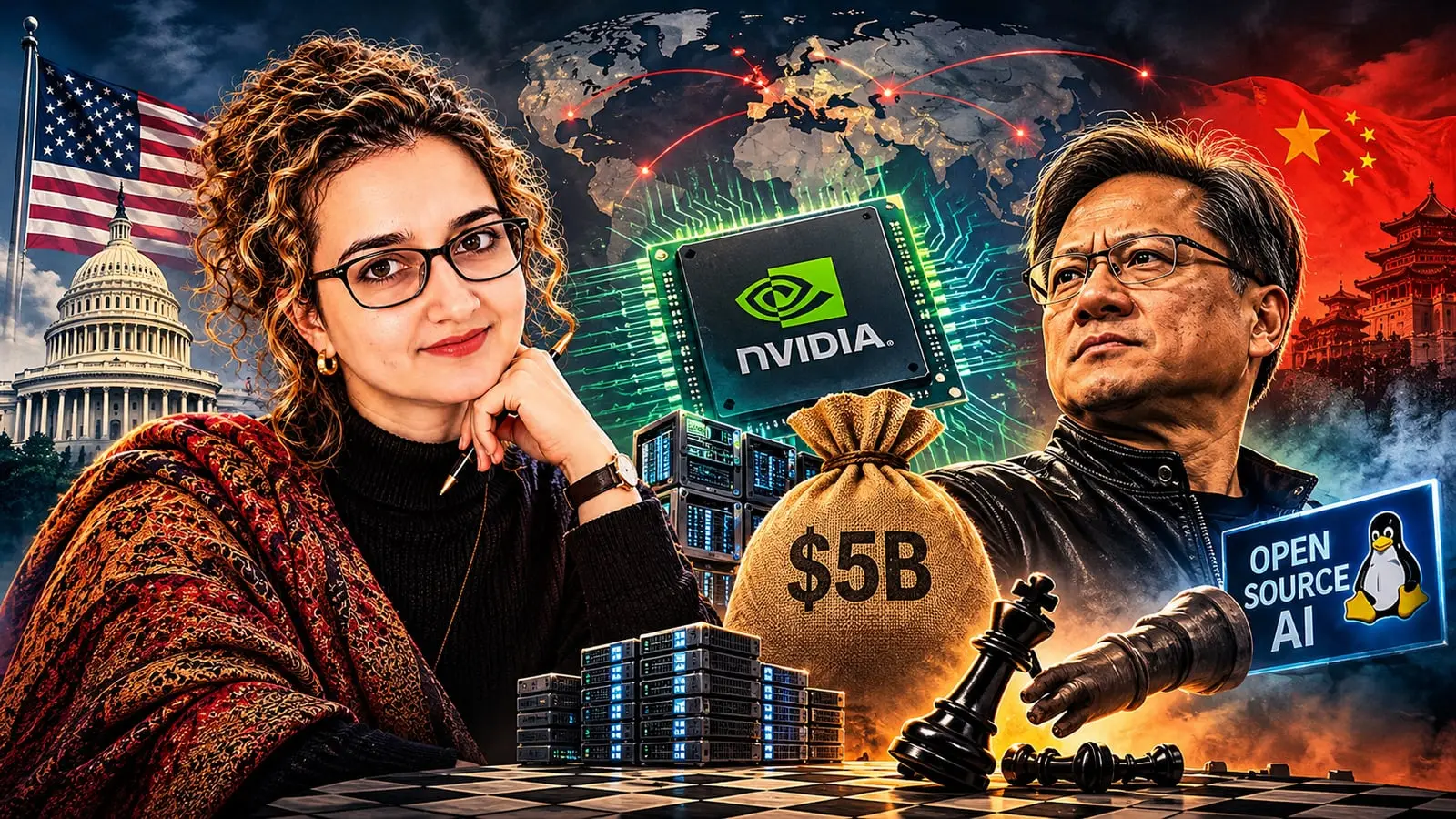
Jensen Huang's fall was sold as a spy honeytrap. Follow the Megaspeed chip trail, Washington's export double standard and the closed-AI lobby, and nobody is innocent.
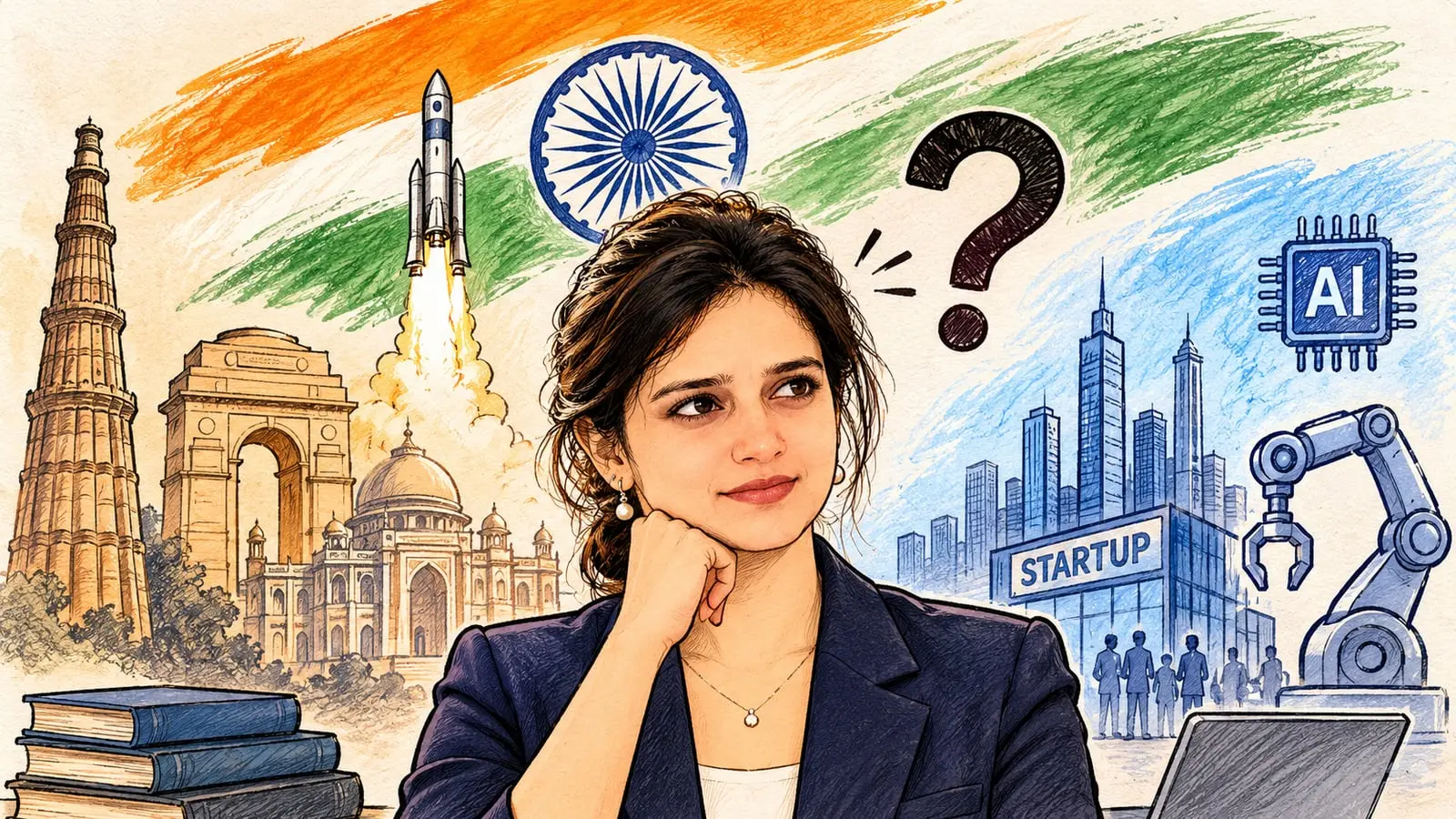
India spends 0.84% of GDP on R&D and ranks 38th in global innovation. A case for building technology the world depends on, not just celebrating the past.
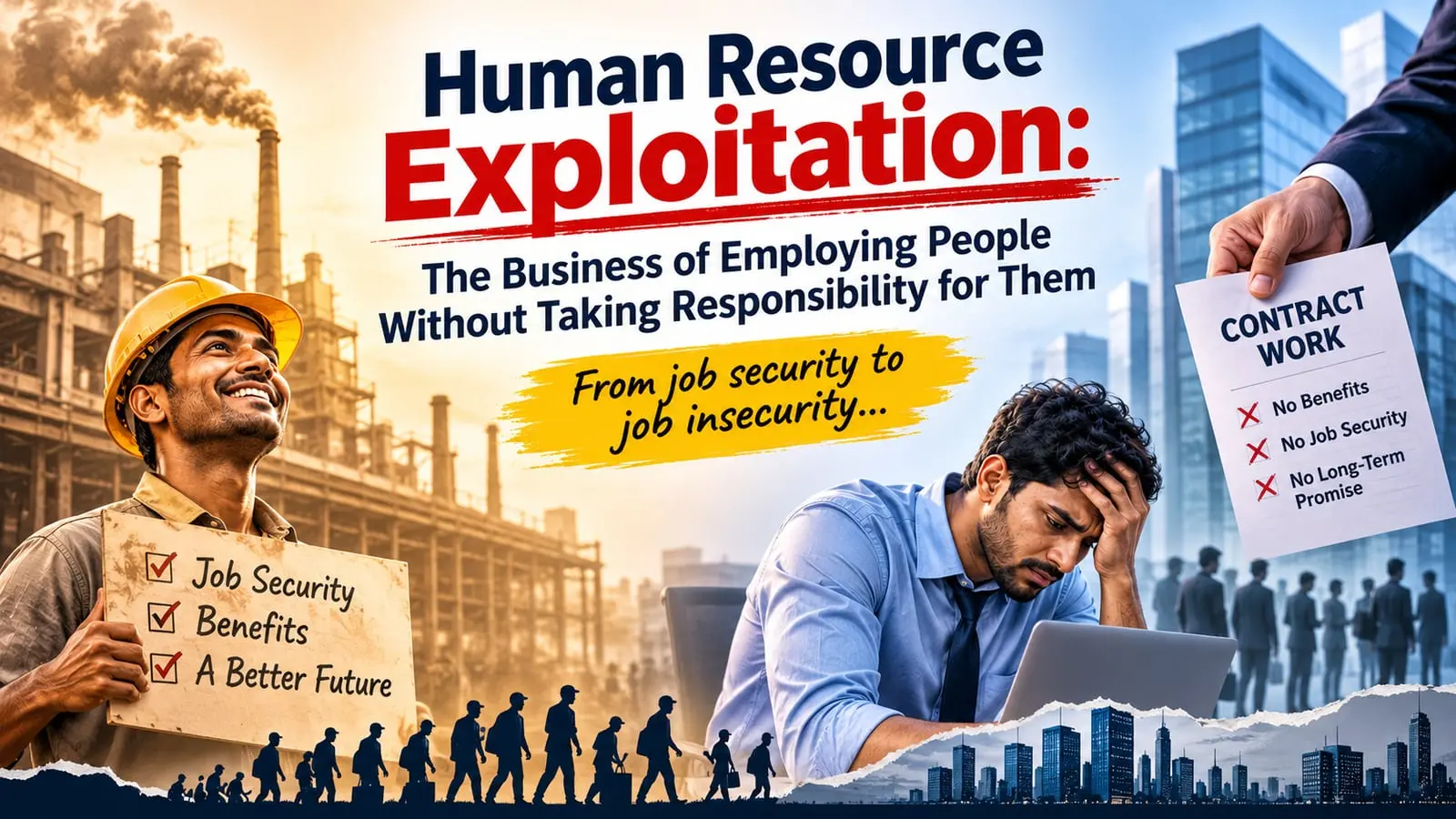
Organisations want the output of permanent employees without the obligations. Divyansh Dixit, founder of Fensso Tech LLP, on contract and gig work, what India's new labour codes say, and what employers and workers can do.
Democrats won both chambers in the 2026 midterms. What divided government means for tariffs, taxes, health care, AI, shutdowns, the debt limit, markets and businesses abroad.

Jio Platforms listed on 28 October 2026 after a ₹30,213 crore IPO. A sourced look at the Jio IPO terms, subscription, the 2016 price war, and the tariffs, debt and risks ahead.
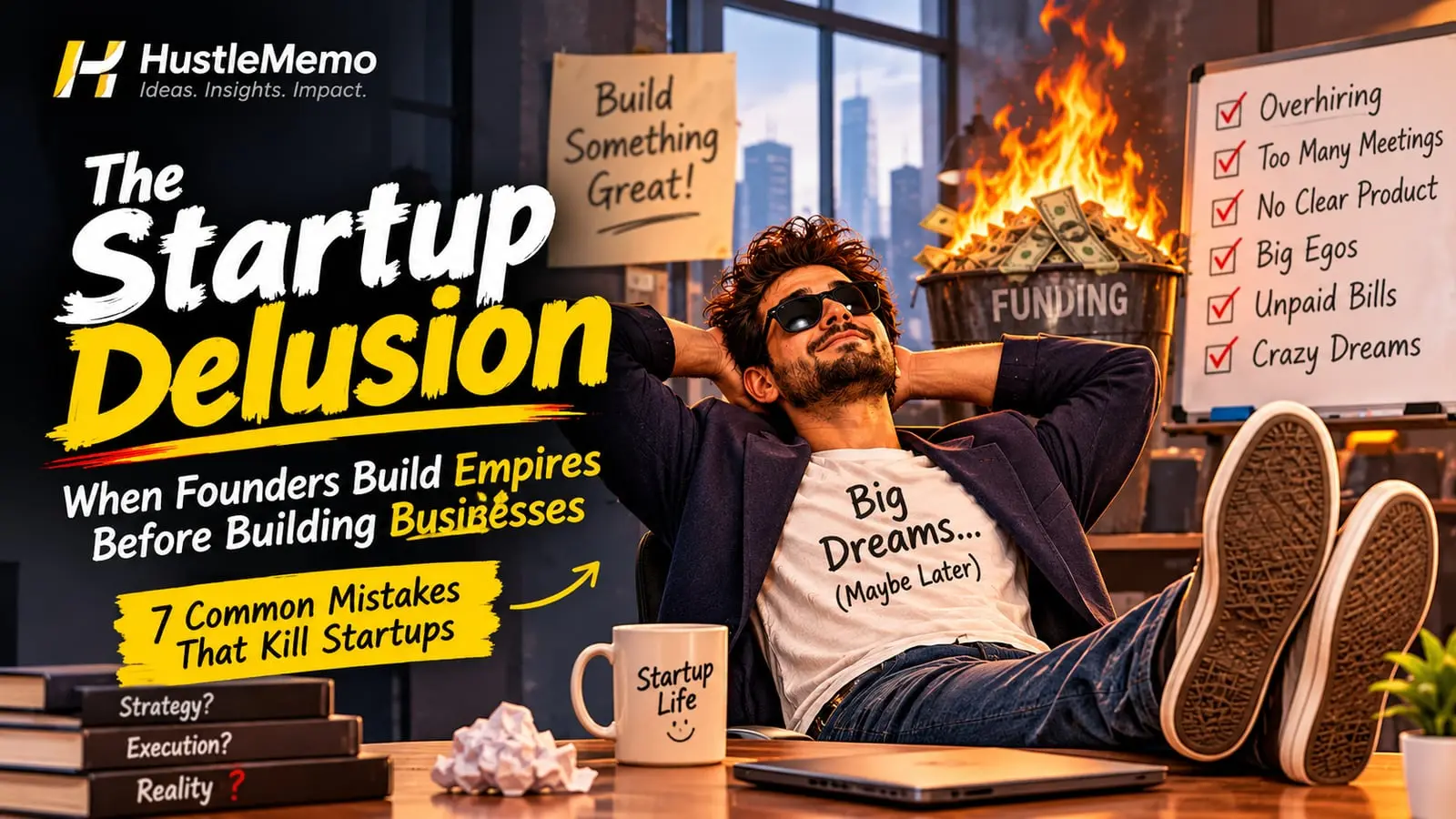
Divyansh Dixit on overhiring, endless meetings, too many titles and no clear product: seven founder habits that burn funding long before the market gets a say.

A critically-neutral case study of Amul: the 1946 Kaira milk strike, Verghese Kurien and the “Amul trinity,” the Anand pattern, Operation Flood and its critics, the Amul girl, ₹1 lakh crore in brand sales, and what its push into the US and Europe really amounts to.
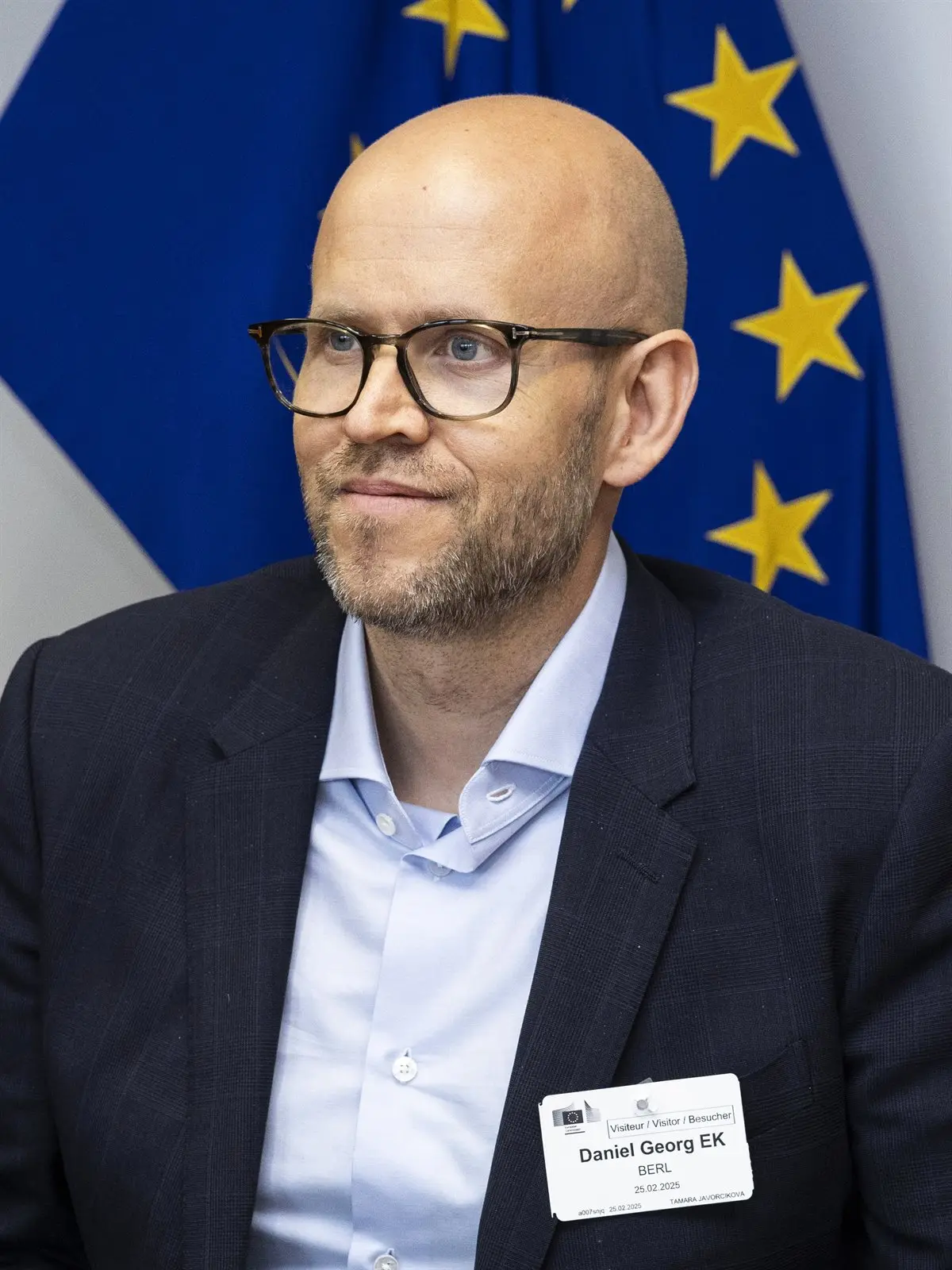
A critically-neutral profile of Spotify’s Daniel Ek: how he beat music piracy not with lawsuits but with a freemium product better than free, endured two years of label negotiations and sixteen more before profit, and built a 675M-user streaming giant — alongside the artist-payment, Rogan and defence-tech controversies.

A critically-neutral profile of Bumble’s Whitney Wolfe Herd: how she converted her ordeal at Tinder into the "women make the first move" thesis, took Bumble public at 31, and now fights to sustain it through a ~94% stock decline — the founding triumph and the hard aftermath, held honestly together.
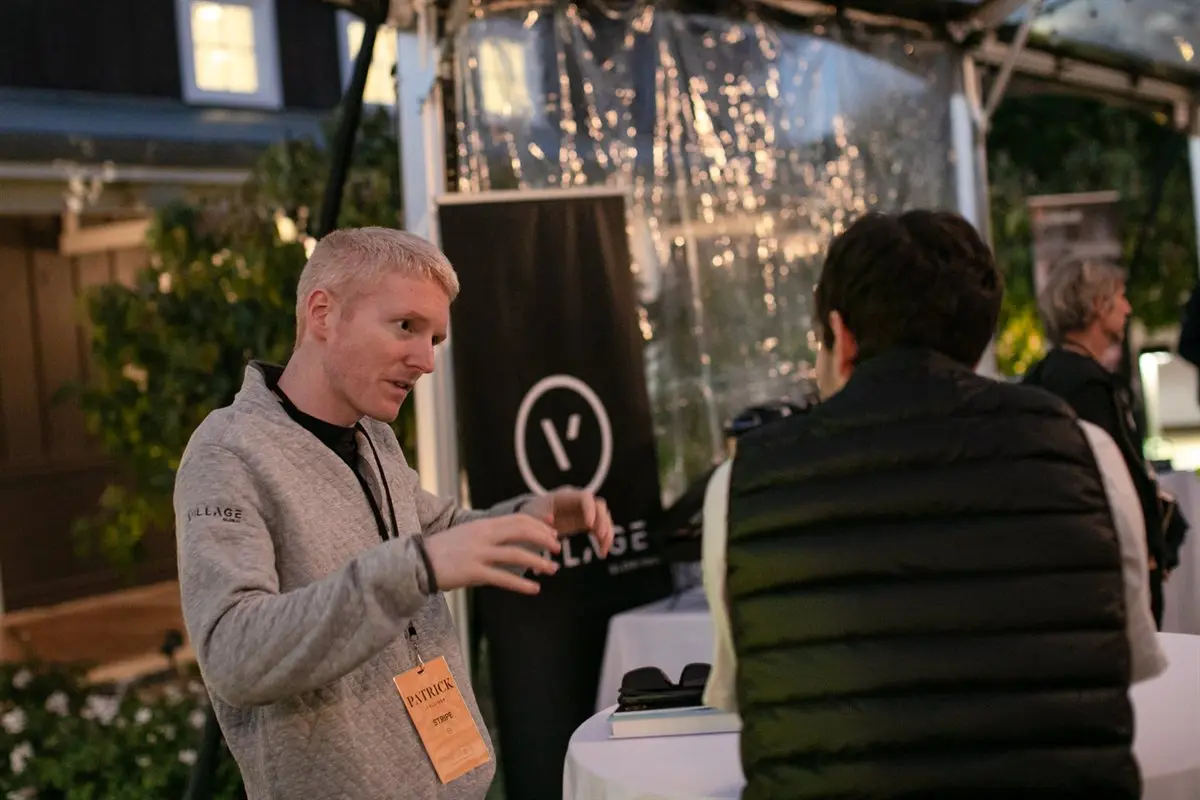
A critically-neutral profile of Stripe’s Patrick Collison: the teenage prodigy who sold his first startup at 19, reduced online payments to a few lines of developer code, and built the financial infrastructure of the internet — through a bubble, a markdown, and a full recovery past its old peak to ~$159B.
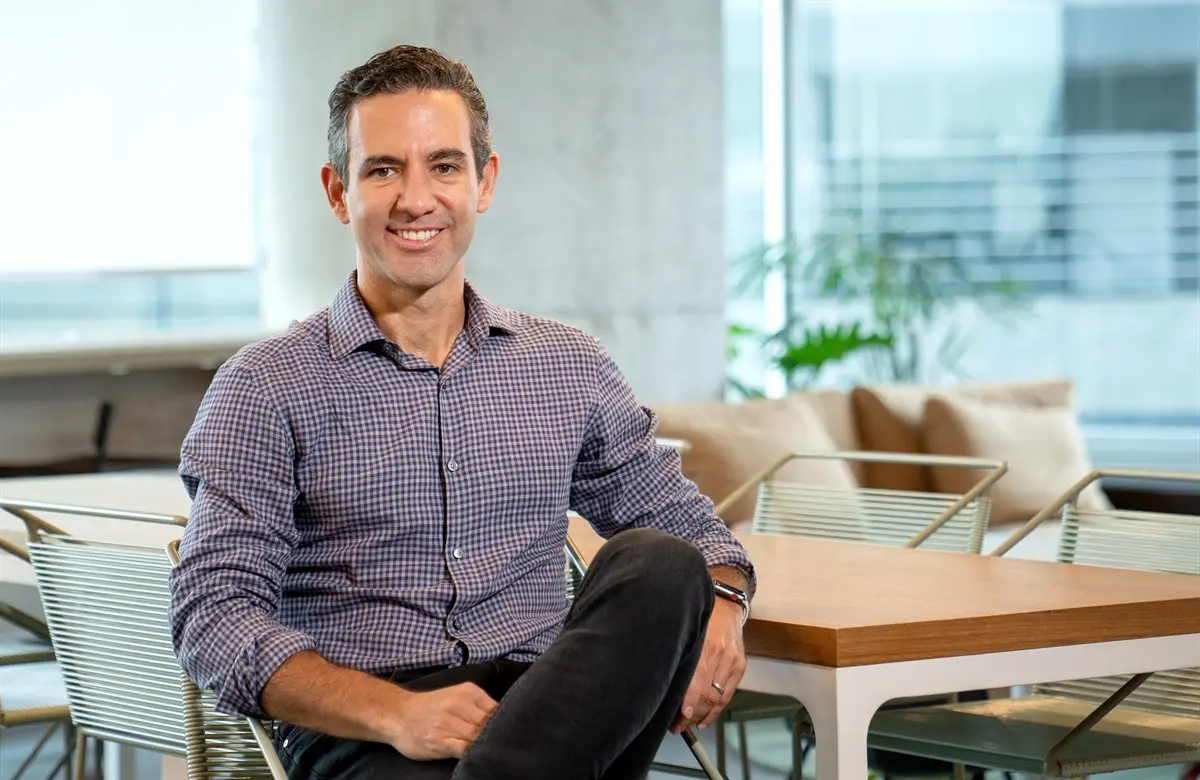
A critically-neutral profile of Nubank’s David Vélez: the outsider venture capitalist who read Brazil’s broken banking oligopoly as a roadmap, built a no-fee phone-first bank that incumbents couldn’t copy, scaled to 100M+ customers and an NYSE listing — and answered the profitability skeptics by 2023.
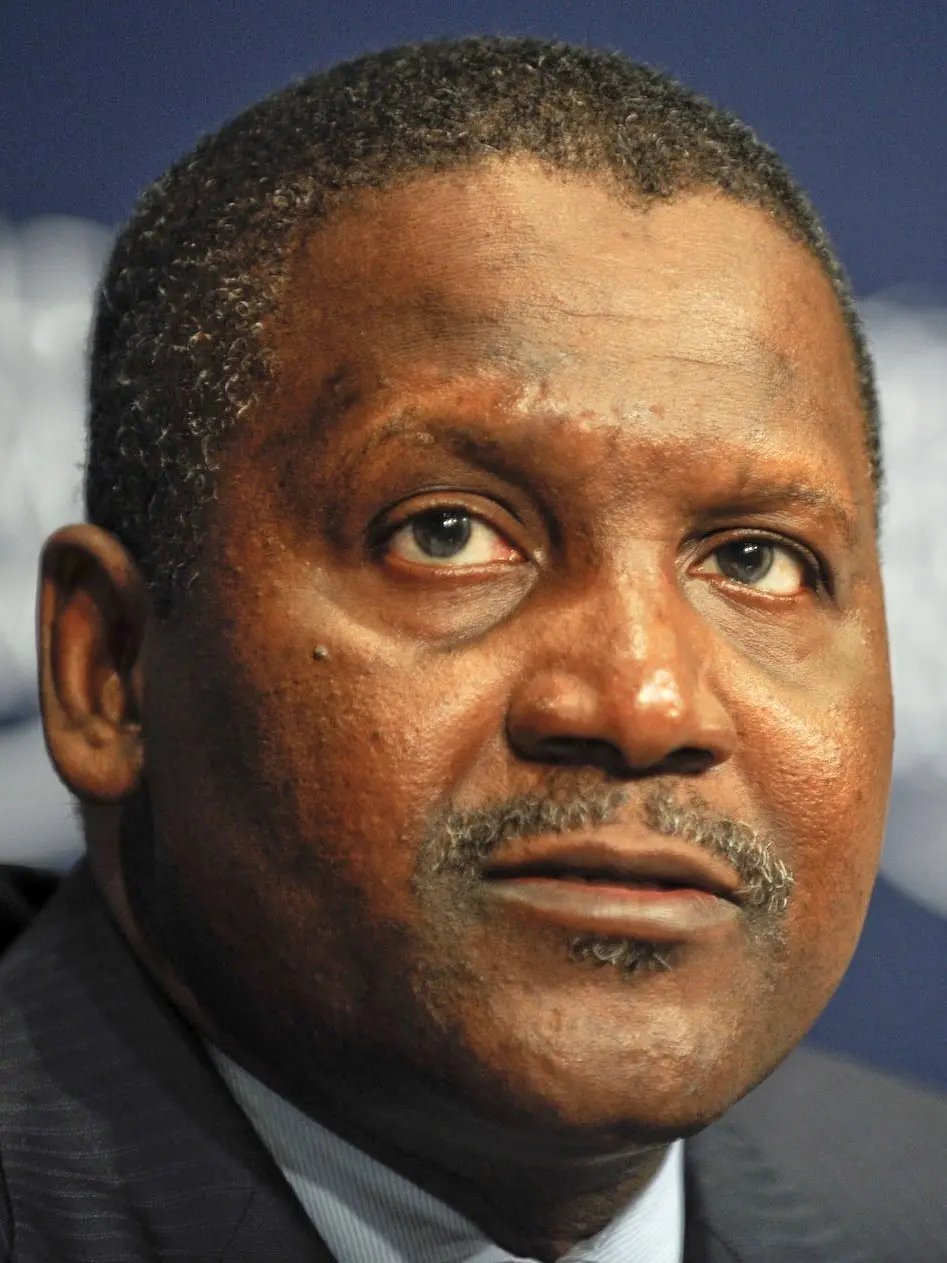
A critically-neutral profile of Aliko Dangote: heir to a trading dynasty who built Africa’s biggest industrial empire through backward integration and scale, rode Nigeria’s protectionist policy, bet ~$20bn on a giant refinery — and faces genuine, unresolved questions about market concentration and government ties.
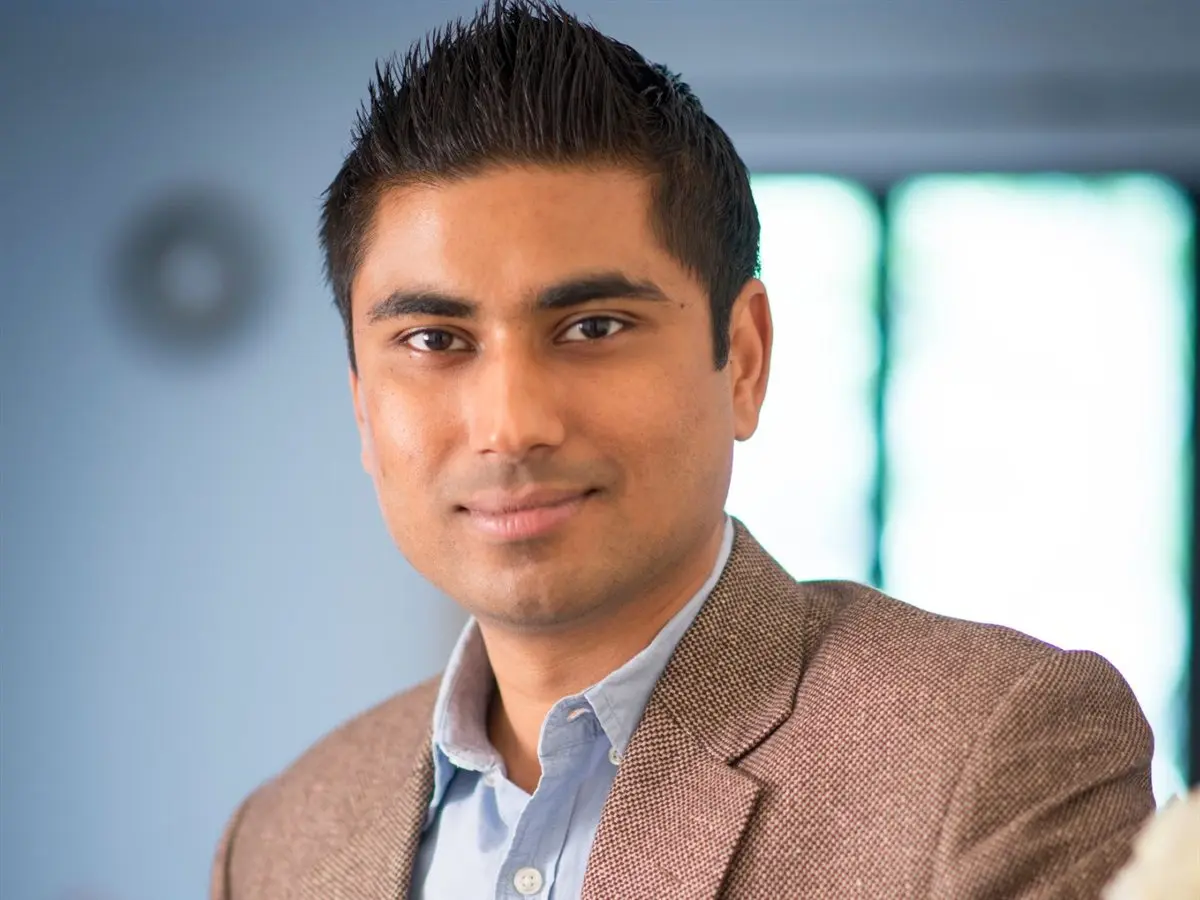
A critically-neutral profile of FusionCharts’ Pallav Nadhani — correcting the famous origin myth (the $1,500 was an article fee; the first product sale was ~$15), and telling the real story: a teenager bootstrapping a profitable, globally-used data-viz product from Kolkata, surviving Flash’s death, and exiting to Idera in 2020.
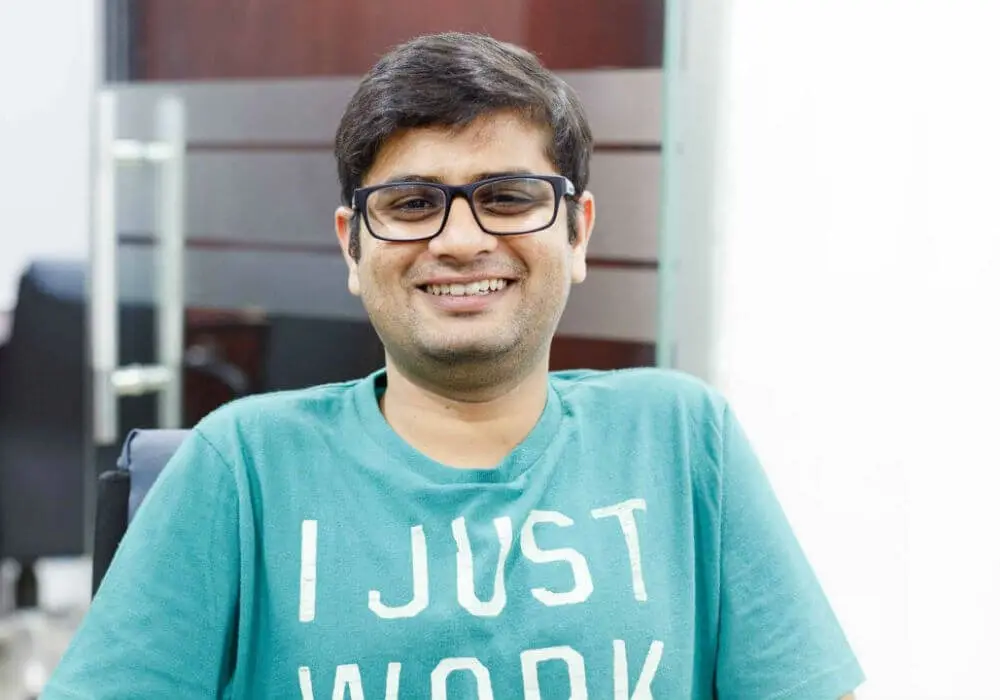
A critically-neutral profile of Wingify/VWO’s Paras Chopra: a self-taught programmer who bootstrapped a profitable global SaaS from Delhi, kept ~71% to a ~$200M exit, wrote and thought in public, and chose curiosity (the AI lab Lossfunk) over building an empire.
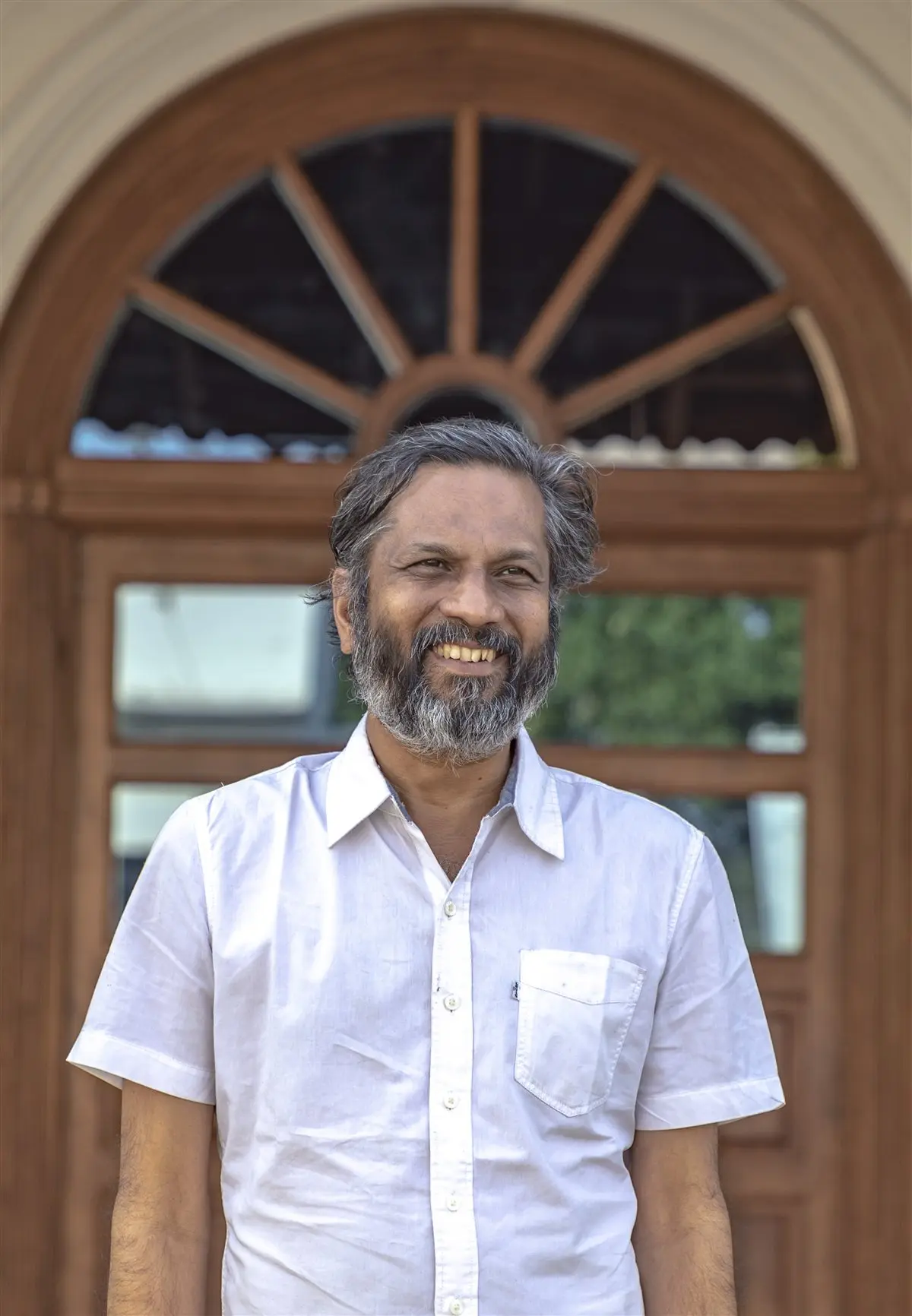
A critically-neutral profile of Zoho’s Sridhar Vembu: from IIT Madras and a Princeton PhD to refusing venture capital, surviving the 2001 bust, building a private billion-dollar software company, "transnational localism" and Zoho University — and the criticisms kept honest.
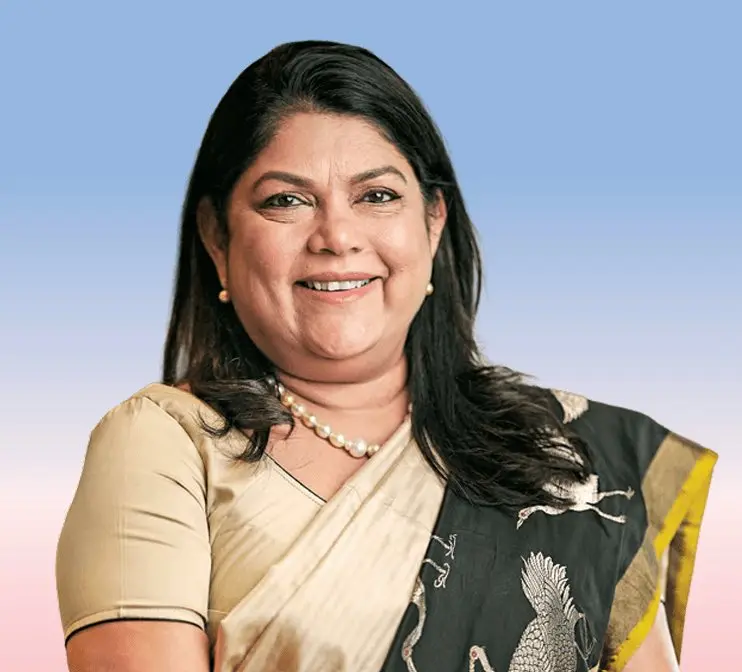
A critically-neutral profile of Nykaa’s Falguni Nayar: from managing director at Kotak to founding a beauty retailer at around fifty, the inventory-led model that won, the 2021 IPO that briefly made her India’s richest self-made woman, and the reckoning that followed — the post-listing correction, the bonus-issue controversy, and the competition closing in.
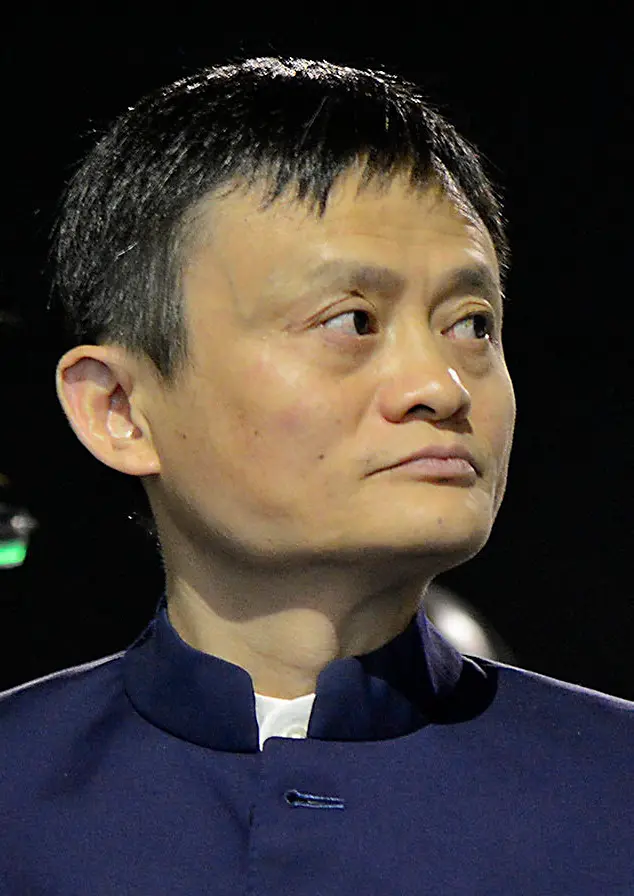
A critically-neutral profile of Alibaba’s Jack Ma: the self-taught English teacher, the gaokao failures, the Alipay escrow innovation that won China’s e-commerce, the record 2014 IPO — and the 2020 speech, the suspended Ant IPO, the antitrust fine and restructuring, with documented events kept strictly separate from unknowable state motives.