The business story
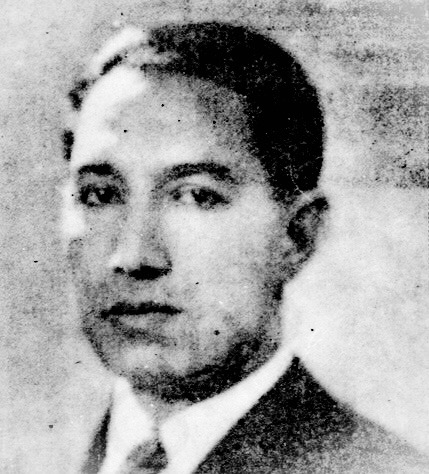
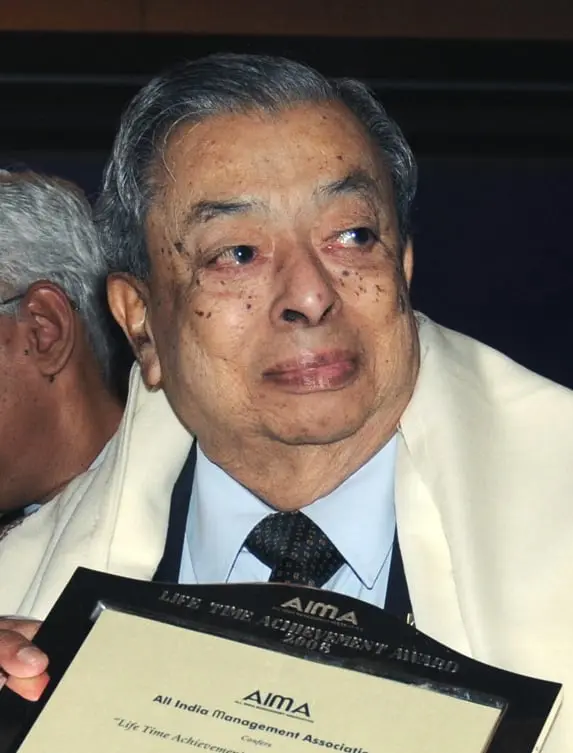
Verghese Kurien (1921–2012), born in Calicut, was an engineer posted by the Government of India to an experimental creamery at Anand in 1949. Persuaded by farmers’ leader Tribhuvandas Patel to stay, he became general manager of the Kaira District Co-operative Milk Producers’ Union, which became Amul. He chaired the National Dairy Development Board (1965–1998), led Operation Flood, which helped make India the world’s largest milk producer, chaired the Gujarat Co-operative Milk Marketing Federation from 1973 until his resignation in 2006, and founded the Institute of Rural Management Anand in 1979. His honours include the Ramon Magsaysay Award, the World Food Prize (1989) and the Padma Vibhushan (1999).
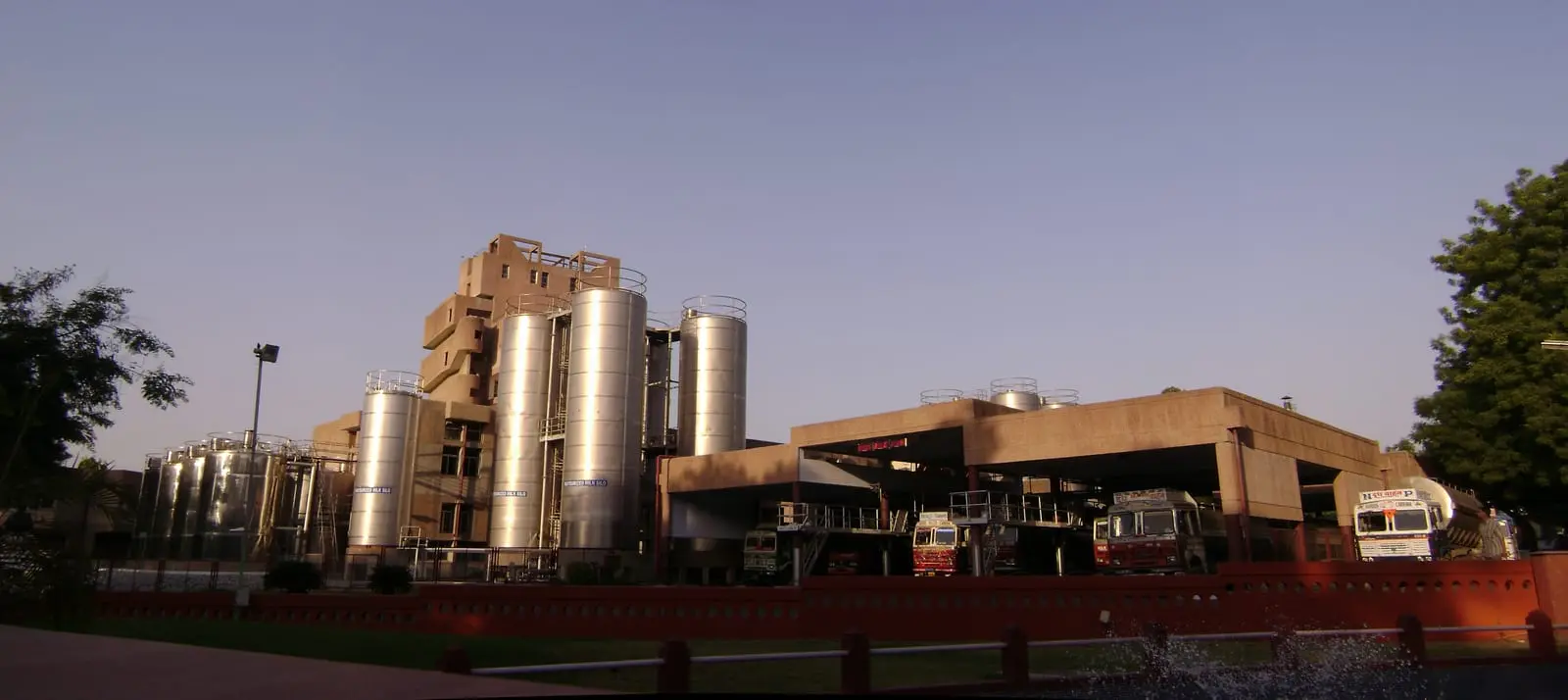
Kurien was an engineer and organiser rather than a dairy enthusiast; he reportedly did not even like drinking milk.
Before Anand
Verghese Kurien was born on 26 November 1921 in Calicut, then part of the Madras Presidency. He studied physics at Loyola College and mechanical engineering at the College of Engineering, Guindy, before a government scholarship took him to the United States. The award was intended for dairy engineering, but by his own account he had little interest in the subject and concentrated on metallurgical and nuclear engineering at Michigan State University. The scholarship carried a bond requiring years of government service.
In 1949 that bond brought him to the government's experimental creamery in Anand, Gujarat. He later described those first months as time served until he could leave. Next door, a young farmers' cooperative was struggling with equipment it did not understand, and Kurien began helping to fix it. The cooperative's leader, Tribhuvandas Patel, persuaded him to stay. He never left.
Building Amul
The cooperative was the Kaira District Co-operative Milk Producers' Union, registered in Anand in December 1946 after farmers refused to keep selling to Polson Dairy, which controlled their main route to Bombay. Kurien became its general manager and spent the following decades as the main architect of what became Amul.
He did not do it alone. Amul histories describe a trio: Patel, who held the members together; Kurien, who built the organisation; and Harichand Megha Dalaya, a dairy technologist who found a way to turn buffalo milk into powder and condensed milk when experts thought it could not be done. That process let the cooperative store its winter surplus and keep buying from farmers year round. The union held the Amul brand from 1955.
The model became known as the Anand pattern: village societies owned by farmers, district unions owned by the societies, and, from 1973, the Gujarat Co-operative Milk Marketing Federation to sell every union's output under one brand. Kurien chaired the federation from its creation until 2006. Today it is owned by about 3.6 million farmers, and Amul brand sales passed ₹1 lakh crore in FY2025–26.
National scale followed a 1964 visit from Prime Minister Lal Bahadur Shastri, who asked Kurien to replicate the model across India. Kurien chaired the National Dairy Development Board from 1965 to 1998 and led Operation Flood, which linked rural milksheds to cities through a national milk grid. By 1998 India was the world's largest milk producer.