
Hustler profile

Aliko Dangote

Founder of the Dangote Group — turned a trading fortune into Africa’s largest industrial conglomerate (cement, sugar, salt, flour, fertiliser, and the 650,000-bpd Dangote Refinery), and was Africa’s richest person for over a decade.

Aliko Dangote (born 1957, Kano) is a Nigerian industrialist who built Africa’s biggest industrial empire. Born into the Dantata trading dynasty, he began as a commodities trader in 1977 and then executed a sweeping backward integration — from importing cement, sugar and staples to manufacturing them at continental scale.

  • Founder, Dangote Group
  • Nigeria
  • Industrial conglomerate (cement, sugar, refining)
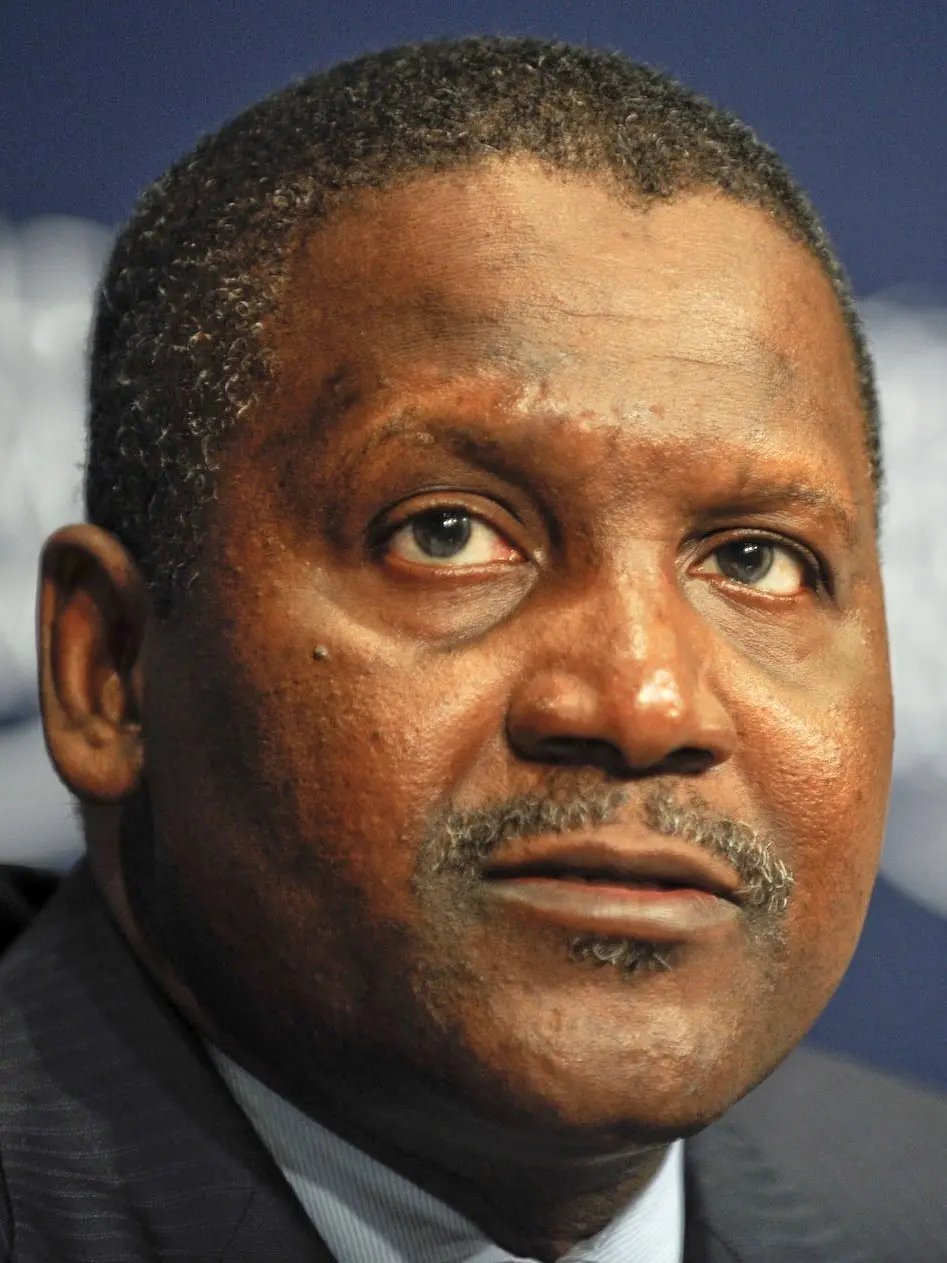
Portrait of Aliko Dangote, founder of the Dangote Group, at the World Economic Forum on Africa 2011.

At a glance

Dangote Group founded
1977
Founder
Dangote Group
Industry
Industrial conglomerate (cement, sugar, refining)
Born
1957

The journey

Key milestones in Aliko Dangote’s life and business journey.

  1. 1957

    Born in Kano, northern Nigeria

    On 10 April, into the Dantata family, one of West Africa’s most established trading dynasties.

  2. Studies business administration at Al-Azhar University, Cairo

  3. 1977

    Starts out as a commodities trader

    With a loan from his uncle, he imports the staples Nigeria consumes but does not make at scale: cement, sugar, salt and rice.

  4. From importing to manufacturing

    He acquires the Benue Cement Company in the federal privatisation programme, and his Lagos sugar refinery comes on stream.

    More

    This was the turn that made him Africa’s richest man: backward integration, making locally what he had been importing, so that the margin stayed in Nigeria and with him.

  5. 2002

    Acquires the Obajana site in Kogi State

    The same year, Nigeria adopts a formal backward-integration policy of tariffs, import bans and tax breaks for local producers.

  6. 2007

    Obajana Cement Plant commissioned

    At the time, the largest cement plant in sub-Saharan Africa.

  7. 2008

    Enters the Forbes billionaires list

    At around $3 billion. He has been Africa’s richest person for most of the time since.

  8. October 2010

    Dangote Cement lists on the Nigerian Stock Exchange

    It immediately becomes the exchange’s most valuable company.

  9. Expands across Africa

    The same template is repeated in other markets: Dangote Cement now operates in around a dozen and a half countries, and the group in about seventeen.

  10. 2013

    The Dangote Refinery is conceived

    Construction begins in 2016, near Lagos.

  11. May 2023

    Dangote Refinery inaugurated

    A single-train refinery designed for 650,000 barrels a day, at a cost of roughly $19–20 billion.

    More

    It produced diesel and jet fuel first, then petrol in 2024, as it worked toward full design capacity. The project ran over its original cost and faced crude-supply problems along the way.

  12. 2024

    Begins producing petrol

Source: HustleMemo: Aliko Dangote, the trader who built Africa’s biggest industrial empire

The business story

Aliko Dangote is a Nigerian industrialist whose fortune rests on unglamorous goods: cement, sugar, salt, flour, fertiliser and, most recently, refined fuel. He has been Africa's richest person and, according to Forbes, the world's wealthiest Black person for most of the period since 2008. His career is a useful corrective to the idea that large fortunes must come from new inventions or open markets.

Dangote treats scale as a strategy rather than a reward.

From the HustleMemo profile

Before the Dangote Group

Dangote was born in Kano, northern Nigeria, in 1957, into the Dantata family, one of West Africa's most established trading dynasties. His great-grandfather Alhassan Dantata was counted the wealthiest man in West Africa when he died in 1955. Commodity trading surrounded him from childhood, and he has described running small resale ventures as a schoolboy. He later studied business administration at Al-Azhar University in Cairo.

That inheritance matters for reading him accurately. He began with two things a newcomer cannot easily get: a trader's instincts absorbed early, and access to credit through a trusted family name.

Building the Dangote Group

In 1977, by his own account, Dangote borrowed money from an uncle and began trading commodities. For years the business imported the staples Nigeria consumed but did not make in volume, including cement, sugar, salt and rice. Importing taught him the size of domestic demand, how the supply chains worked and how much margin was flowing to foreign producers.

The decisive shift was backward integration: making locally what he had been importing. Around the turn of the millennium he bought Benue Cement through privatisation and opened a large sugar refinery in Lagos. He acquired the Obajana site in 2002, and the plant there was commissioned in 2007 as the biggest in sub-Saharan Africa. Dangote Cement listed on the Nigerian Stock Exchange in 2010 and became its most valuable company. The same template was then carried to roughly 17 African countries.

His largest project is the Dangote Refinery near Lagos, designed for 650,000 barrels a day and the largest single-train refinery in the world. Its cost rose from early estimates of around $9 billion to roughly $19 to 20 billion, and it has faced crude-supply problems and open disputes with the state oil company and rival importers.
How Dangote operates

  • Instead of piloting a modest plant, he builds the largest one in the market, so that his unit costs undercut anyone landing imported product.

    He reinvests profits into ever-bigger plants rather than spreading into unrelated businesses.

  • He also reads the political economy as carefully as the industrial one.

    Nigeria's 2002 backward-integration policy, with its tariffs, import bans and tax breaks for local makers, lined up closely with his investments. The article is careful to separate what is documented, his market dominance and closeness to successive governments, from claims of improper favouritism, which remain allegations he rejects and which have never been adjudicated.

Legacy and lessons

Dangote shows how industrial wealth is often built in large, import-dependent economies: by capturing a supply chain that was sending value abroad. His bet is that Africa will industrialise and that whoever owns productive capacity early will hold a lasting position. The same story raises fair concerns about one person controlling so much of a nation's basic supply.

  • Trade first, then manufacture. Years of importing gave him a profitable, detailed map of demand before he built a single plant.

  • Scale can be a moat. The lowest-cost producer at continental size makes rivals' economics unworkable.

  • Policy is part of the market. Where the state shapes tariffs, licences and ports, navigating it is central to strategy.

  • Concentration has costs. Dominance in essentials invites legitimate questions about prices and national resilience.

More hustlers

Explore more business builders