

Hustler profile

Pallav Nadhani

Founder of FusionCharts — built a bootstrapped, profitable data-visualization product used by Apple, Microsoft and Google, starting as a teenager from Kolkata, and exited to Idera in 2020.

Pallav Nadhani (b. Bhagalpur, Bihar; raised in Kolkata) founded InfoSoft Global in 2002 at 17 and built FusionCharts — a data-visualization / charting library — into a globally used, bootstrapped, profitable product, with customers including Apple, Microsoft, Google, Oracle and IBM. Scaffolded early by his father’s small computer business, he ran it solo for years, survived the Flash-to-JavaScript platform shift and open-source commoditization, and sold to US software firm Idera in 2020.

  • Founder, FusionCharts (InfoSoft Global)
  • India
  • Software, data visualization
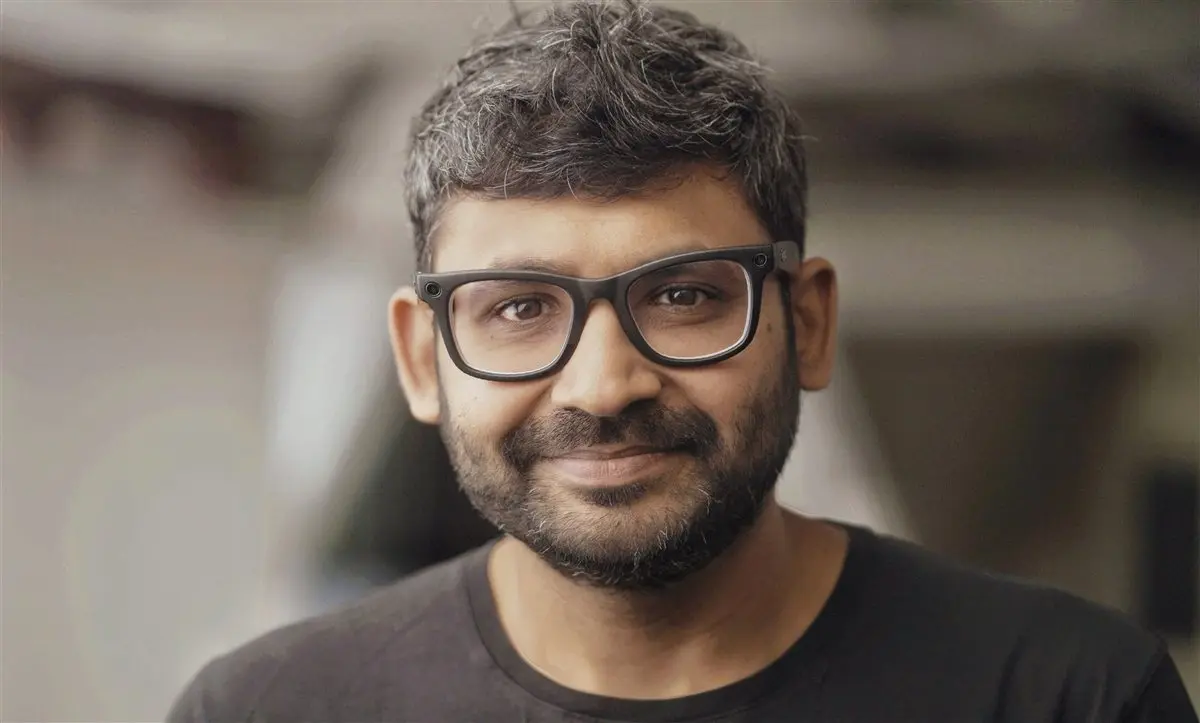
Portrait of Pallav Nadhani, founder of FusionCharts.

At a glance

FusionCharts (InfoSoft Global) founded
2002
Founder
FusionCharts (InfoSoft Global)
Industry
Software, data visualization

The journey

Key milestones in Pallav Nadhani’s life and business journey.

  1. 2002

    Founds InfoSoft Global (FusionCharts) at 17

    Bootstrapped, from Kolkata.

  2. Survives the Flash to JavaScript transition

  3. 2020

    Sells to Idera, Inc.

  4. Builds Collabion and Muze

    Muze was acquired by Mode.

  5. 2025

    Co-founds Presentations.AI

The business story

Pallav Nadhani (b. Bhagalpur, Bihar; raised in Kolkata) founded InfoSoft Global in 2002 at 17 and built FusionCharts — a data-visualization / charting library — into a globally used, bootstrapped, profitable product, with customers including Apple, Microsoft, Google, Oracle and IBM. Scaffolded early by his father’s small computer business, he ran it solo for years, survived the Flash-to-JavaScript platform shift and open-source commoditization, and sold to US software firm Idera in 2020. He later built Collabion, Muze (acquired by Mode), invested via the Seeders syndicate, and became a co-founder of Presentations.AI (2025).

Early life and background

Pallav Nadhani was born in Bhagalpur, Bihar, into a Marwari family that moved to Kolkata when he was in his mid-teens. He attended La Martinière in Kolkata. His father, Kisor Nadhani, ran a computer-training centre and a web-design business, which meant software was part of the household well before Pallav started a company of his own.

As a teenager he was dissatisfied with the flat, unappealing charts produced by Excel and early-2000s web tools. He began using Macromedia Flash and ActionScript to draw charts that were interactive and visually polished. He documented the approach in a long article for ASPToday, a developer publication run by Wrox, which paid by the word; the fee of roughly $1,500 is often misreported as his first software sale. It became his seed money.

Building FusionCharts

In 2002, at 17, he set up InfoSoft Global in Kolkata, and FusionCharts shipped its first version that October. The opening price was around $15, largely dictated by payment-processor minimums. Sales came slowly at first, and on at least one American order the bank's fee exceeded the sale. Because he was a minor and could not hold the necessary accounts, his father held them for him, later joining as CFO in 2005.

For roughly three years Pallav was the company, handling code, website, documentation, support, marketing and sales across very long working weeks. Hiring began only after that, first in Kolkata and later with a Bangalore office. The company reported its first million dollars in revenue around 2006 to 2007 and about $4.5 million by 2011. By the time of its sale it cited tens of thousands of customers and over 750,000 developers in more than 100 countries, with clients such as Apple, Microsoft, Google, Oracle and IBM.

The product survived two threats. When the industry abandoned Flash, FusionCharts was rebuilt in JavaScript and HTML5/SVG while still serving paying customers. Then free libraries such as Chart.js and D3.js made basic charting a commodity. In 2020 the US software company Idera acquired it on undisclosed terms.
How Pallav operates

  • His decisions show a consistent preference for focus and ownership:

  • Owning a narrow niche.

    FusionCharts did one job, embeddable data visualisation, and aimed to do it better than anyone.

  • Selling to developers.

    Once charts were wired into a customer's product, removing them was costly, which made revenue durable.

  • Refusing outside capital.

    He funded growth from revenue, was profitable early and declined venture interest after 2008 to keep control.

  • Building from where he was.

    He stayed in Kolkata, far from India's startup hubs, because a globally sold, self-funded product did not need proximity to investors.

  • His later work follows the same instincts: Collabion, Oomfo, the open-source Muze project later acquired by Mode, the Seeders angel syndicate, mentoring in India's SaaS community, and, from early 2025, a co-founder role at Presentations.AI. His public record has no scandals; the reasonable debate is whether bootstrapping limited how large FusionCharts could grow.

Legacy and lessons

Nadhani gave Indian software founders a working example of a global, profitable product built without venture money or a hub address, before that path had a name.

  • A focused tool for builders can be more durable than a broad consumer app.

  • Profitability buys the resilience to survive platform shifts that kill funded peers.

  • Location matters less for a product sold online to customers anywhere.

  • Retaining ownership lets a founder choose the timing and terms of an exit.

More hustlers

Explore more business builders