Hustler profile

Parag Agrawal

Former CEO of Twitter (2021–2022) and longtime CTO; an IIT Bombay and Stanford engineer who ran the platform through Elon Musk’s takeover, was fired the day the deal closed, and now builds web infrastructure for AI agents at Parallel Web Systems.

Parag Agrawal (b. 1984, Ajmer, India) is a computer scientist — IIT Bombay B.Tech, Stanford PhD under Jennifer Widom — who joined Twitter in 2011, rose to Chief Technology Officer in 2017, and was named CEO in November 2021 when Jack Dorsey stepped down. His ~11-month tenure was consumed by Elon Musk’s $44B acquisition; Musk fired him on the day the deal closed in October 2022.

  • Co-founder, Parallel Web Systems
  • United States
  • AI infrastructure, web search
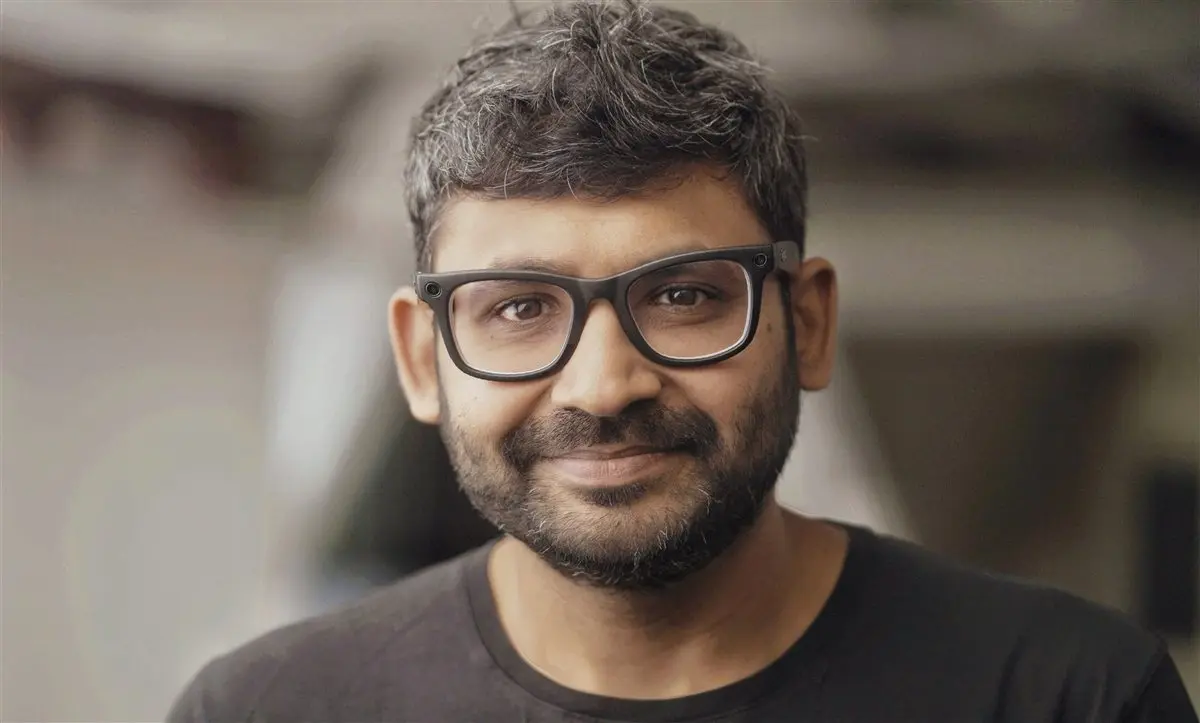
Portrait of Parag Agrawal, former CEO of Twitter.

At a glance

Parallel Web Systems founded
2023
Co-founder
Parallel Web Systems
Industry
AI infrastructure, web search
Born
1984

The journey

Key milestones in Parag Agrawal’s life and business journey.

  1. 1984

    Born in Ajmer, India

  2. 2001

    Gold medal, International Physics Olympiad

  3. 2005

    B.Tech from IIT Bombay

  4. 2011

    Joins Twitter

  5. 2017

    Becomes Chief Technology Officer

  6. 29 November 2021

    Named CEO

    When Jack Dorsey stepped down.

  7. 27 October 2022

    Fired on the day Musk’s $44B acquisition closed

  8. 2023

    Founds Parallel Web Systems

The business story

Parag Agrawal (b. 1984, Ajmer, India) is a computer scientist — IIT Bombay B.Tech, Stanford PhD under Jennifer Widom — who joined Twitter in 2011, rose to Chief Technology Officer in 2017, and was named CEO in November 2021 when Jack Dorsey stepped down. His ~11-month tenure was consumed by Elon Musk’s $44B acquisition; Musk fired him on the day the deal closed in October 2022. Agrawal later co-founded Parallel Web Systems, building search/research infrastructure for AI agents.

Early life and background

Parag Agrawal was born in 1984 in Ajmer, Rajasthan. His father worked as a senior official connected to India's atomic-energy establishment and his mother taught economics, a household in which strong academic results were simply expected. He won a gold medal at the International Physics Olympiad in 2001, completed a B.Tech in Computer Science and Engineering at IIT Bombay in 2005, and earned a PhD in computer science at Stanford under Jennifer Widom, working on how databases handle uncertain data. Along the way he held research roles at Microsoft and Yahoo.

Building a career at Twitter

Agrawal joined Twitter in 2011, when it had around a thousand employees and an infrastructure prone to outages. He worked first on ads and revenue relevance, then on the machine-learning systems behind the ranked timeline and recommendations. In October 2017 he became chief technology officer, and in December 2019 he was given responsibility for Bluesky, Twitter's project to develop a decentralised social-networking standard.

On 29 November 2021, Jack Dorsey stepped down and the board voted unanimously to make Agrawal CEO. Few observers had expected it. He took over a company long criticised for growth and share performance that lagged its influence, and began reorganising product and engineering. Within hours, critics circulated a 2010 tweet of his; he had said at the time that it quoted a comedy sketch by Aasif Mandvi.

In 2022 Elon Musk agreed to buy Twitter for about $44 billion, then tried to withdraw, disputing Twitter's figures on spam accounts. Twitter sued in Delaware, and Musk ultimately closed on the original terms on 27 October 2022, firing Agrawal and other senior executives that day. Agrawal had been CEO for just under eleven months. In March 2024 he and three former colleagues sued for more than $128 million in severance; the case was reportedly settled in 2025 on undisclosed terms.
How Parag operates

  • His record reflects a specific kind of leadership:

  • Earned technical trust.

    He rose through engineering over a decade rather than through public visibility, becoming the person others relied on to make the systems work.

  • Measured under pressure.

    During the bot dispute he answered with a careful technical explanation of why spam is hard to estimate, rather than trading insults.

  • Restraint after defeat.

    After his dismissal he pursued his contract claim through the courts and otherwise stayed out of public argument.

  • Building beneath the surface.

    In 2023 he started Parallel Web Systems, which builds search and research APIs that let AI agents read and reason over the live web at scale. It raised about $30 million in 2024 and was reported at a $2 billion valuation by 2026.

  • His time as CEO offers little basis for judging his executive ability, because the takeover consumed nearly all of it.

    Musk's private view that he was "too nice" is one man's characterisation, not an assessment.

Legacy and lessons

Agrawal belongs to the line of Indian-origin engineers who moved from IIT and graduate research into the leadership of major US technology companies. His story is also a reminder that outcomes can be decided by events outside an executive's control.

  • Deep technical credibility can carry an engineer to the top job without a public persona.

  • Competence is necessary but does not guarantee control; ownership can override strategy.

  • Composure in a public conflict protects long-term reputation better than winning the exchange.

  • A setback can free a builder to pursue the problem they understand best.

More hustlers

Explore more business builders