
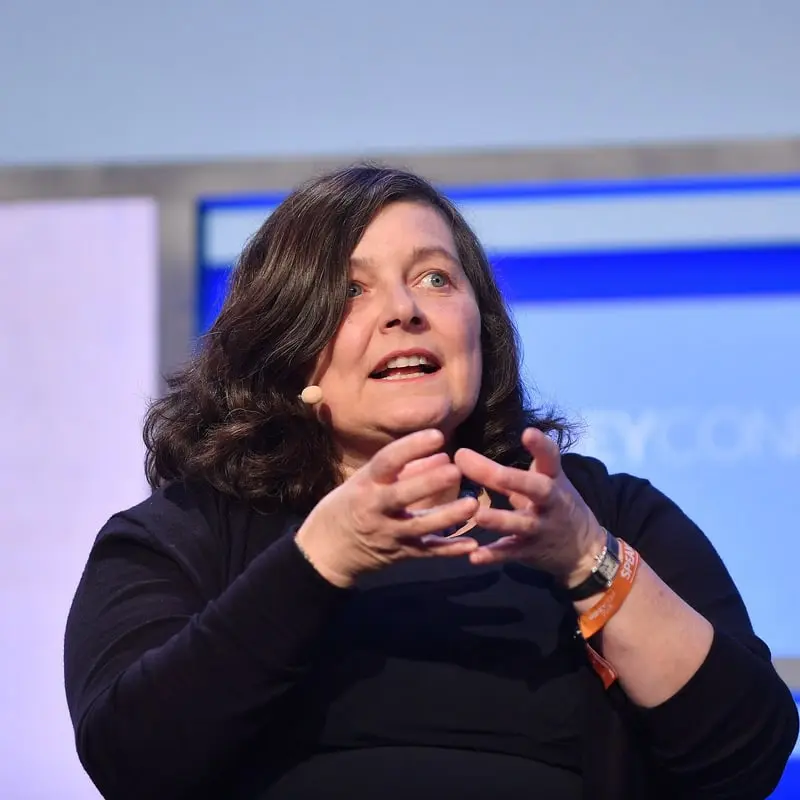
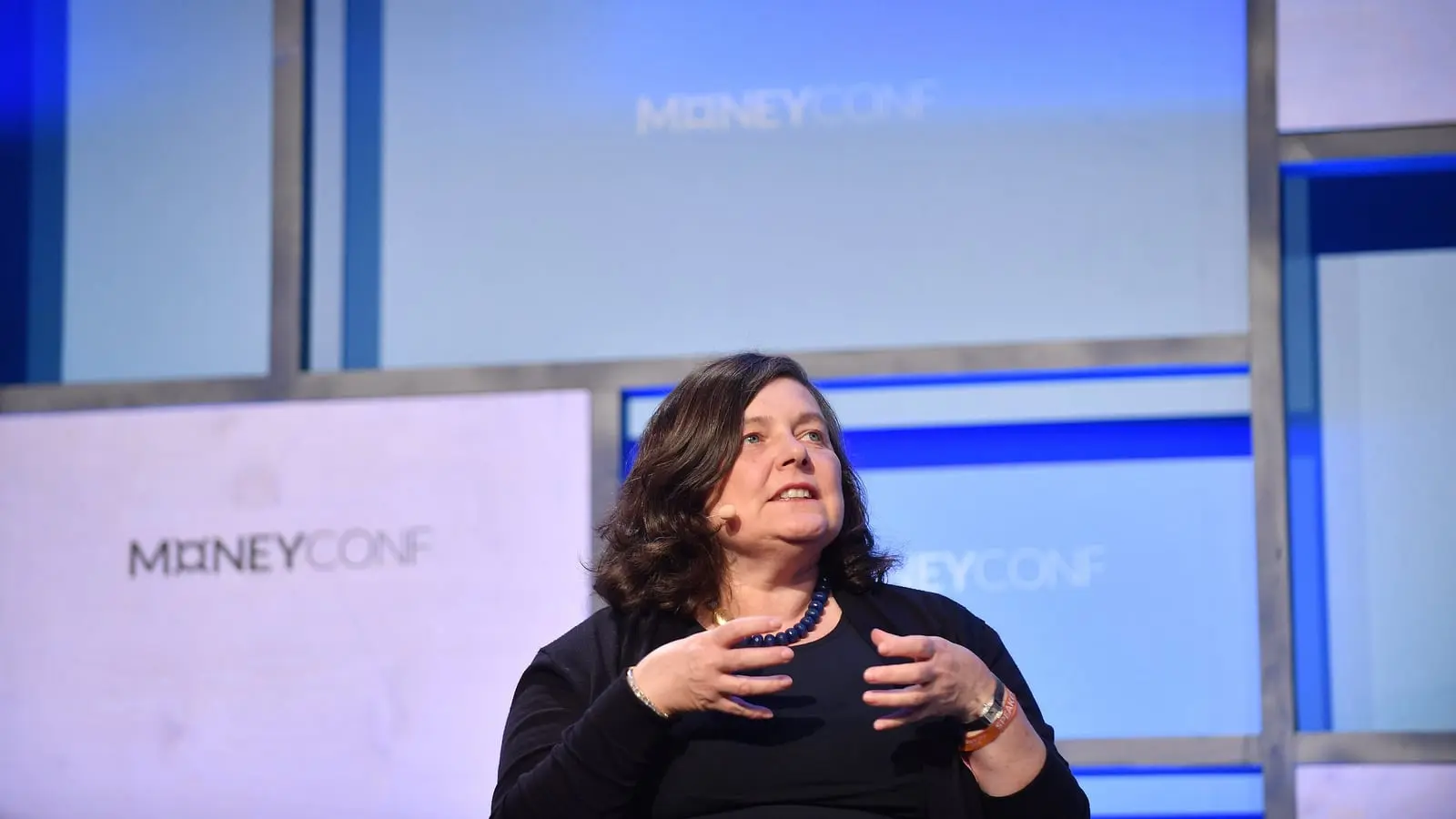
Anne Boden: The Banker Who Started Again at 54 and Built Starling
How Anne Boden left a 30-year banking career to found Starling Bank at 54, why it worked, what the FCA fine revealed, and why she is now building a bank for AI agents.
Company profile
Starling Bank Limited (parent: Starling Group Holdings Limited)
UK digital bank founded by Anne Boden in 2014, profitable since 2021 and now selling its banking software, Engine, to banks abroad.
Key milestones in Starling Bank’s history.
June 2014
The company that became Starling Bank.
February 2015
The other four directors leave with him.
July 2016
Backed by the investor Harald McPike.
May 2017
2020–2021
Year to March 2022
£32.1m before tax.
June 2023
June 2024
Joins from the energy supplier Ovo.
October 2024
Over financial crime controls that failed to keep pace with growth.
May 2026
Pre-tax profit £217.1m; Engine's client base doubles.
July 2026
October 2026
Reportedly at a £1.7bn valuation.
November 2026
A search for his successor is under way.
Starling Bank is a British digital bank that runs current accounts, business accounts and lending entirely through a phone app. It was founded in 2014 by Anne Boden, a career banker who believed the big high-street lenders could not rebuild their creaking technology fast enough. A decade on, Starling is one of the few UK challenger banks that makes real money: it reported a fifth consecutive year of profit in May 2026, with £217.1 million before tax on £887.4 million of revenue in the year to 31 March 2026.
What makes Starling unusual is that it is now two businesses. One is the bank most people know. The other is Engine, a software arm that licenses the technology Starling built for itself to banks in other countries.
Boden set up the company as Possible Financial Services in June 2014, at 54, after a career that ran from Lloyds to the chief operating officer's job at Allied Irish Banks. The early months nearly ended it. In February 2015 her co-founder Tom Blomfield left to start what became Monzo, and the other directors went with him. Boden rebuilt the team, renamed the company Starling and, with backing from the investor Harald McPike, won a UK banking licence in July 2016. The app went live in May 2017.
Growth came quickly, helped by small-business customers and by the government-backed Bounce Back Loans of the Covid period. Starling recorded its first full-year profit, £32.1 million before tax, in the year to March 2022. Boden stepped down as chief executive in 2023; the Financial Times reported a disagreement with investors over valuation. Raman Bhatia, previously chief executive of the energy supplier Ovo, took over in June 2024. Boden left the board, sold her last shares in October 2026 and has since started a new venture. Her full story is told in Anne Boden: Starling Bank Founder, Her Exit and Lockwood.
Most of Starling's revenue is interest. It takes deposits (£12.7 billion at March 2026) and earns a margin by lending, largely to small businesses and through its mortgage subsidiary Fleet Mortgages, and by placing surplus cash with the Bank of England. That makes earnings sensitive to interest rates, which is why revenue and profit both slipped in the latest year as rates came down and the bank set aside more for credit losses.
The rest comes from fees and, increasingly, from Engine. Rather than buying banking software from a vendor, Starling wrote its own, and Engine sells that platform to other banks. Starling says Engine's revenue grew 25% in the year to March 2026 as its client base doubled, that it has £70 million of committed annual recurring revenue, and that it expects to pass £100 million. Its clients include Tangerine, part of Scotiabank, in Canada and SBS Bank in New Zealand. Across both businesses the group counts 6.2 million accounts on its platform.
Starling is private. Its largest shareholder is the Austrian-born investor Harald McPike, whose stake has been reported at between about a third and more than 40%; other investors include Goldman Sachs, Fidelity, the Qatar Investment Authority and the listed fund Chrysalis Investments. Starling has not set a date or venue for a stock market listing. City AM reported in February 2026 that McPike had withdrawn support for a London flotation, and the bank has said a decision rests with shareholders.
Leadership is in transition. Colin Bell, a former chief executive of HSBC Bank and HSBC Europe, became chair from 1 July 2026, subject to regulatory approval, succeeding David Sproul. In November 2026 it was reported that Bhatia will step down at the end of the year and remain a board adviser until mid-2027, and that the search for a successor has begun. As of 18 November 2026 no successor had been named.
PROVEN: financial crime failings. On 2 October 2024 the Financial Conduct Authority fined Starling £28,959,426. The regulator found that from 2017 its automated sanctions screening checked customers against only part of the full list, and that between September 2021 and November 2023 it opened more than 54,000 accounts for about 49,000 high-risk customers despite an agreement not to. Starling agreed to settle, which earned it a 30% discount.
PROVEN: Bounce Back Loan shortfalls. In 2025 Starling disclosed that its own reviews had found its checks fell short of the scheme's criteria on a limited number of Covid-era Bounce Back Loans. It gave up the government guarantee on about £28 million of them and booked a £28.2 million provision. No regulator has made a finding of personal wrongdoing against any executive over the loans.
REPORTED, not confirmed: boardroom tension. Bloomberg reported in June 2026 that departing directors had disagreed with management and McPike over a listing and strategy. Starling has not confirmed that account.
Starling proved that a bank built from scratch in the 2010s could become consistently profitable without a big-bank parent, something many fintech rivals have struggled to show. Its bet that the software is worth as much as the bank is now being tested in markets far from Britain. The FCA fine is the counterweight: fast growth outran the controls a bank is required to have, and fixing that cost money and reputation. Whoever succeeds Bhatia inherits a profitable business with falling earnings, an unresolved listing question and a software arm that has to keep winning clients abroad.
HustleMemo stories on Starling Bank.
How Anne Boden left a 30-year banking career to found Starling Bank at 54, why it worked, what the FCA fine revealed, and why she is now building a bank for AI agents.
Last updated: