Overview
MCB Bank is one of Pakistan's largest private banks and, for most of the past three decades, one of its most profitable. It serves individuals, businesses and the government through a national branch network, an Islamic banking subsidiary and operations abroad. In 2025 it reported standalone profit after tax of Rs54.2 billion and deposits of Rs2.26 trillion, according to its annual results as reported by The News.
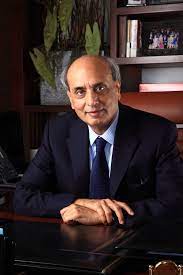
What makes MCB interesting is not only its size but its owner. Since 1991 it has been the financial heart of the Nishat Group, the conglomerate built by Mian Muhammad Mansha, who still chairs its board.
History
The bank is older than Pakistan itself. It was incorporated as Muslim Commercial Bank on 9 July 1947 in Calcutta, weeks before Partition, by the Adamjee and Ispahani business families, with encouragement from Muhammad Ali Jinnah to create banks that could serve Muslim traders in the new country. It soon moved its operations to Pakistan, and the Adamjee group took control in the 1960s.
In 1974 Zulfikar Ali Bhutto's government nationalised MCB along with the rest of Pakistan's banks. It stayed in state hands until 1991, when Nawaz Sharif's government made it the first bank sold in a new privatisation programme. A consortium led by Mansha's Nishat Group bought control. The bank was renamed MCB Bank Limited in 2005.
Under private ownership MCB grew into a benchmark for Pakistani banking. In 2008 Malaysia's Maybank bought a strategic stake, initially 15% and later 20%, in one of the largest foreign investments in Pakistan's financial sector at the time. In 2017 MCB absorbed NIB Bank. How the 1991 deal shaped Mansha's whole group is told in Mian Muhammad Mansha: Nishat, MCB, and the Art of Proximity.
How the business works
Like most Pakistani banks, MCB makes most of its money from the gap between what it pays depositors and what it earns on loans and, above all, on government securities. Pakistan's government borrows heavily from domestic banks, so a large share of MCB's assets sits in treasury bills and bonds. That makes its earnings sensitive to interest rates set by the State Bank of Pakistan.
MCB's long-standing advantage is cheap funding. It has a large base of current and savings accounts, deposits that pay little or no interest, which keeps its cost of funds below many rivals'. In 2025 it reported a sharp rise in current deposits, about Rs274 billion, according to The News. Fees from cards, trade finance, remittances and cash management add to that, and MCB Islamic Bank serves customers who want Sharia-compliant products.
Taxes take an unusually large bite. MCB's 2025 standalone profit before tax was Rs115.5 billion, but a higher effective tax rate, about 53% on a consolidated basis according to Profit, pulled after-tax profit down slightly from Rs57.6 billion in 2024. For the first nine months of 2026, its 22 October 2026 results release showed standalone profit after tax of about Rs41.4 billion, and the board had declared Rs27 a share in dividends for the year so far.
Ownership and leadership
MCB is listed on the Pakistan Stock Exchange. The Nishat Group holds its stake through several companies rather than one, including Nishat Mills and Adamjee Insurance. Maybank remains the largest single outside shareholder with 18.78%, according to a 2026 rating report by the Pakistan Credit Rating Agency (PACRA). Malaysian business press has at times reported that Maybank was weighing a sale; Maybank has called MCB a long-term investment, and we found no announced sale.
Mian Muhammad Mansha, now 85, chairs the board. Day-to-day management passed in December 2024 to Muhammad Nauman Chughtai, who succeeded Shoaib Mumtaz as president and chief executive.
Controversies
ALLEGED, never proven: the 1991 sale price. Critics have long argued that MCB was sold too cheaply and that Mansha's closeness to the Sharif government of the day helped his consortium. The sale was debated for years but upheld, and no court found wrongdoing.
STRUCTURAL: a bank inside a conglomerate. A family group that controls a major bank while also owning large borrowers in textiles, cement and power faces built-in conflicts of interest. Pakistan's banking rules limit lending to related parties, and no regulator has found MCB in breach on this point. The concern is about the structure, not a proven case.
DISCLOSED, not a finding: the Paradise Papers. Mansha appeared in the 2017 Paradise Papers leak of offshore records. Appearing in the leak shows that offshore structures were used; it is not evidence of illegality, and no charges followed.
Why it matters
MCB shows how a single privatisation can reshape a national economy. It turned a textile family into Pakistan's leading financial group and gave the Nishat companies a source of capital most industrialists lacked. It also shows that private ownership could run a nationalised bank far more profitably than the state had. The question it leaves is the one every economy with powerful family groups faces: how to keep a bank's depositors and its owners' other businesses at a safe distance from each other. MCB's sister page on the Nishat Group covers the rest of that empire.