Hustler profile

Salman F. Rahman

Co-founder of the Beximco conglomerate and, until 2024, Sheikh Hasina’s private-industry adviser with cabinet rank. The textbook case of a fortune fused to the state.

Born near Dhaka in 1951. Co-founded Beximco with his brother in 1972, building one of Bangladesh’s largest conglomerates (pharmaceuticals, textiles, ceramics, banking, media).

  • Co-founder, Beximco Group
  • Bangladesh
  • Pharmaceuticals, textiles, conglomerate
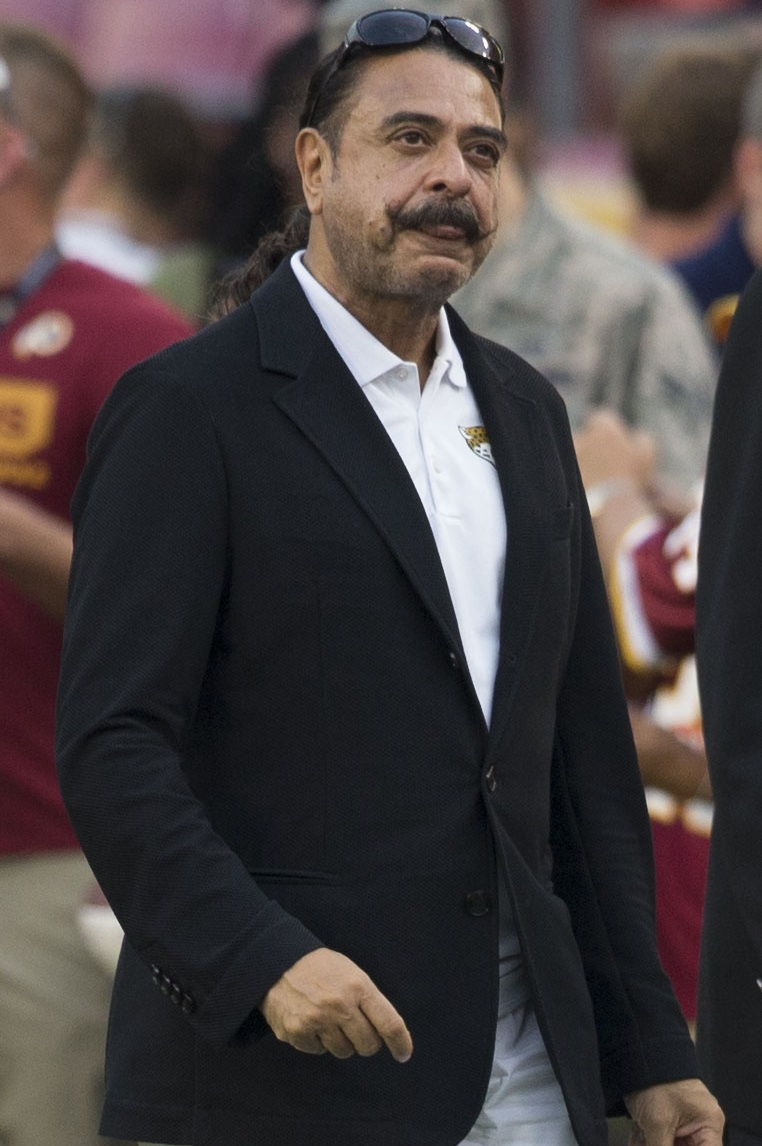
Portrait of Salman F. Rahman.

At a glance

Beximco Group founded
1972
Co-founder
Beximco Group
Industry
Pharmaceuticals, textiles, conglomerate
Born
1951

The journey

Key milestones in Salman F. Rahman’s life and business journey.

  1. 1951

    Born near Dhaka

  2. 1972

    Co-founds Beximco with his brother

  3. 1982

    Co-founds AB Bank

  4. 2019–2024

    PM Sheikh Hasina’s adviser on private industry

  5. August 2024

    Arrested after Hasina’s ouster

    Facing corruption and money-laundering cases that are unproven.

The business story

Born near Dhaka in 1951. Co-founded Beximco with his brother in 1972, building one of Bangladesh’s largest conglomerates (pharmaceuticals, textiles, ceramics, banking, media). A senior Awami League figure and MP; PM Sheikh Hasina’s adviser on private industry (cabinet rank) 2019–2024. Arrested in August 2024 after Hasina’s ouster; facing multiple pending corruption and money-laundering cases (unproven).

What distinguished Rahman from other industrialists was how closely his business and political lives were joined.

From the HustleMemo profile

Early life and background

Salman Fazlur Rahman was born on 23 May 1951 in Dohar, near Dhaka. He attended Notre Dame College, studied physics at the University of Dhaka and graduated from the University of Karachi, an education completed in the late years of united Pakistan, before Bangladesh's independence in 1971.

Building Beximco

In 1972, with the new country barely a year old, Rahman and his elder brother, A. S. F. Rahman, set up Bangladesh Export Import Company, known as Beximco. A young nation needed builders, and the brothers aimed to be among the most ambitious of them.

Beximco grew into one of the largest private conglomerates in Bangladesh, spanning textiles and garments, pharmaceuticals, ceramics, jute, energy, financial services and media, including Independent Television and the English-language daily The Independent. Its strongest asset was Beximco Pharmaceuticals, founded in 1976, which manufactured generic medicines, exported to dozens of countries and became the first Bangladeshi company listed on London's Alternative Investment Market. In 1982 the brothers also co-founded AB Bank, one of the country's earliest private banks.

This was a real industrial footprint: factories, export earnings and tens of thousands of jobs. Any assessment of Rahman has to start there.

How Salman operates

  • He was a senior Awami League figure and a member of parliament, and in 2019 Prime Minister Sheikh Hasina made him her adviser on private industry and investment, with the rank of a cabinet minister.

    One of the country's largest businessmen now sat formally inside the government that licensed, regulated, taxed and lent to companies like his own.

  • That arrangement was open rather than concealed, which is what makes it instructive.

    A conglomerate as broad as Beximco touches the state at many points: credit, energy contracts, approvals, tariffs. The 2021 vaccine episode shows the tension. Beximco Pharmaceuticals distributed the Serum Institute of India's Covishield vaccine in Bangladesh, a role it was arguably well equipped for, yet one that drew scrutiny because its vice-chairman was the prime minister's cabinet-rank adviser.

  • Controversy followed him for years.

    A leaked 2007 US diplomatic cable listed him among major loan defaulters, and Beximco-linked companies were reported to carry very large bank debts. His name featured in the fallout from the 2010 to 2011 stock-market crash, but he was acquitted, with the relevant cases dismissed around 2015.

  • The family-house model amplified both sides.

    Running the group with his brother allowed long horizons and quick decisions, but it left no firewall between the most politically exposed owner and the operating companies.

Legacy and lessons

When the 2024 student-led uprising forced Hasina from power, Rahman's position collapsed with it. He was arrested on 13 August 2024, reportedly at a Dhaka river port. He has been named in Anti-Corruption Commission cases over alleged banking corruption and faces announced money-laundering charges; bail was repeatedly refused through 2025, and the authorities moved to take control of Beximco-linked companies. All of these are pending allegations, not convictions, and their fairness will depend on whether due process or political momentum drives them.

  • Political proximity cuts both ways. Access that helps in good years becomes a liability when power changes hands.

  • Dual roles erode trust. Even defensible decisions look compromised when a businessman also advises the state.

  • Breadth multiplies exposure. The more sectors a group spans, the more points where private interest meets public authority.

  • Separate the family from the firm. Without a governance firewall, one owner's troubles become everyone's.

More hustlers

Explore more business builders