
Hustler profile

Shesh Ghale

Co-founder and CEO of Melbourne’s MIT Group and a Nepali-origin billionaire — the diaspora success story Nepal could not keep at home.

Born in 1963 in Lamjung, Nepal. Earned a Master of Civil Engineering in the USSR (Kharkiv, ~1979–1986) and worked as a highway engineer in Nepal before relocating to Melbourne in 1990; added an MBA from Victoria University (1994).

  • Co-founder, MIT Group
  • Australia
  • Higher education, real estate
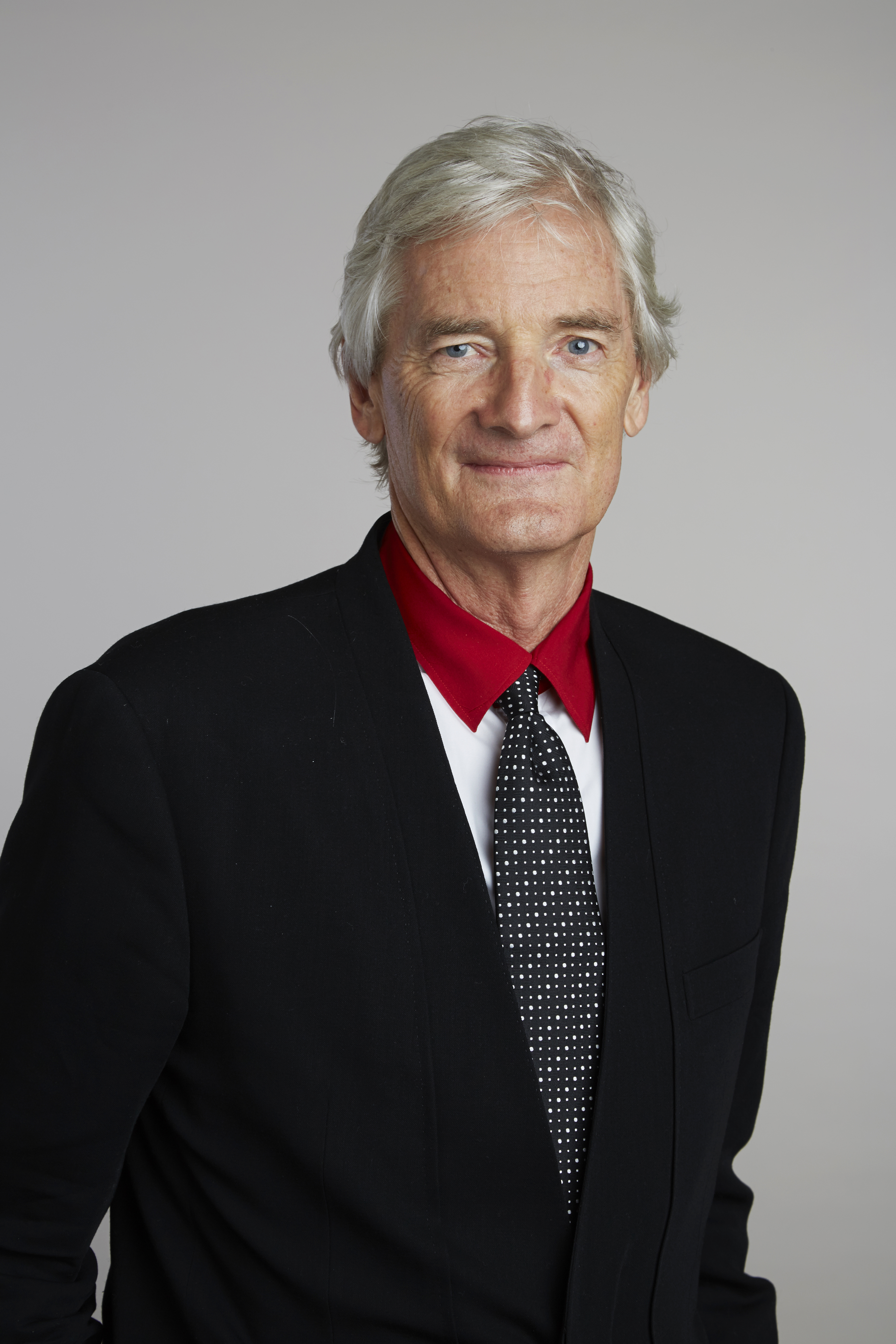
Portrait of Shesh Ghale.

At a glance

MIT Group founded
1996
Co-founder
MIT Group
Industry
Higher education, real estate
Born
1963

The journey

Key milestones in Shesh Ghale’s life and business journey.

  1. 1963

    Born in Lamjung, Nepal

  2. 1979–1986

    Studies civil engineering in Kharkiv, USSR

  3. 1990

    Relocates to Melbourne

  4. 1994

    MBA from Victoria University

  5. Co-founds the MIT Group

    With his wife Jamuna Gurung.

  6. 2019

    Joint net worth peaks at ~A$1.18B

The business story

Born in 1963 in Lamjung, Nepal. Earned a Master of Civil Engineering in the USSR (Kharkiv, ~1979–1986) and worked as a highway engineer in Nepal before relocating to Melbourne in 1990; added an MBA from Victoria University (1994). Co-founded the MIT Group, anchored by the Melbourne Institute of Technology, with his wife Jamuna Gurung; later expanded into real estate. Former president of the NRNA. Joint net worth ~A$900M (2023), peaking ~A$1.18B in 2019.

Ghale's career shows a consistent pattern: build human capital first, then put it to work where institutions can support it.

From the HustleMemo profile

Early life and background

Shesh Ghale was born in 1963 in Lamjung, a hill district of Nepal well away from the trading networks of the Kathmandu Valley. There was no family firm in his background. His route upward ran through education and, eventually, migration.

Like many students from developing countries during the Cold War, he took up the Soviet Union's offer of study abroad. Between roughly 1979 and 1986 he completed a Master of Civil Engineering at the Kharkiv National Automobile and Highway University, in present-day Ukraine. He then went home and worked as a highway engineer, the sort of skilled role a road-poor country most wants to retain.

In 1990 he moved to Melbourne. There he added a business qualification to his engineering training, completing an MBA at Victoria University in 1994. He arrived in Australia as a migrant with credentials rather than capital, which makes what followed a more purely entrepreneurial story than most.

Building the MIT Group

With his wife, Jamuna Gurung, Ghale co-founded the Melbourne Institute of Technology, which became the anchor of the MIT Group. The business grew alongside a major regional trend: Australia's rise as a leading destination for fee-paying international students, including a growing number from Nepal.

Private colleges like MIT fill a specific niche. They offer accredited diplomas and degrees, often designed as pathways into the larger public universities, to international students who pay full fees. With campus and faculty costs largely fixed, profits rise and fall sharply with enrolment.

From that education base, the group moved into real estate, including hotels and apartments. By the late 2010s, Ghale and Gurung appeared on Australian rich lists, with a joint net worth that peaked at about A$1.18 billion in 2019 and was assessed at around A$900 million in 2023.

How Shesh operates

  • Three continents of education, a fresh start in a new country and a business built in partnership with his wife all fit that approach.

  • His shift into property looks like deliberate risk management.

    International education depends heavily on something no operator controls: the visa and immigration policy of the host country. Tighter student-visa rules, enrolment caps or shocks such as the pandemic border closures can cut demand quickly. Moving cash from a policy-exposed operating business into city real estate diversified the family's wealth away from that single lever, and it helps explain how the fortune held up after its 2019 peak.

  • He also took on a public role in the diaspora, serving as president of the Non-Resident Nepali Association, the global body representing Nepalis abroad.

    There are no documented business controversies attached to his name.

Legacy and lessons

To many Nepalis abroad, Ghale is proof of what a Nepali can achieve. His story also raises a harder question about his home country. Nepal trained him as an engineer and then lost him, part of a wider brain drain in a heavily remittance-dependent economy. The industry that made him wealthy is itself fed partly by young Nepalis paying to study overseas. The fortune is real; the fact that it had to be built so far from Lamjung is the point worth noticing.

  • Human capital can stand in for financial capital. Credentials and adaptability were his starting assets.

  • Know your single point of failure. In international education, that point is visa policy.

  • Diversify cash flows into steadier assets. Property gave a volatile business a stable store of value.

  • Environment shapes outcomes. Talent flourishes where institutions and markets allow it to.

More hustlers

Explore more business builders