Hustler profile

Saad Mohseni

Founder and CEO of MOBY Group, Afghanistan’s largest media company — the “Rupert Murdoch of Afghanistan” who built a media empire in a war-torn country.

Born in London to an Afghan diplomatic family; the family moved to Australia in 1982 after the Soviet invasion. A former investment banker, he returned to Kabul in 2002 and founded MOBY Group with early US-government development funding, launching Arman FM (2003), TOLO TV (2004), and Farsi1 (2009). 21st Century Fox took a minority stake in 2012; by 2014 MOBY reached a majority of Afghans and later spanned ~17 businesses across seven markets.

  • Founder, MOBY Group
  • Afghanistan
  • Media, broadcasting
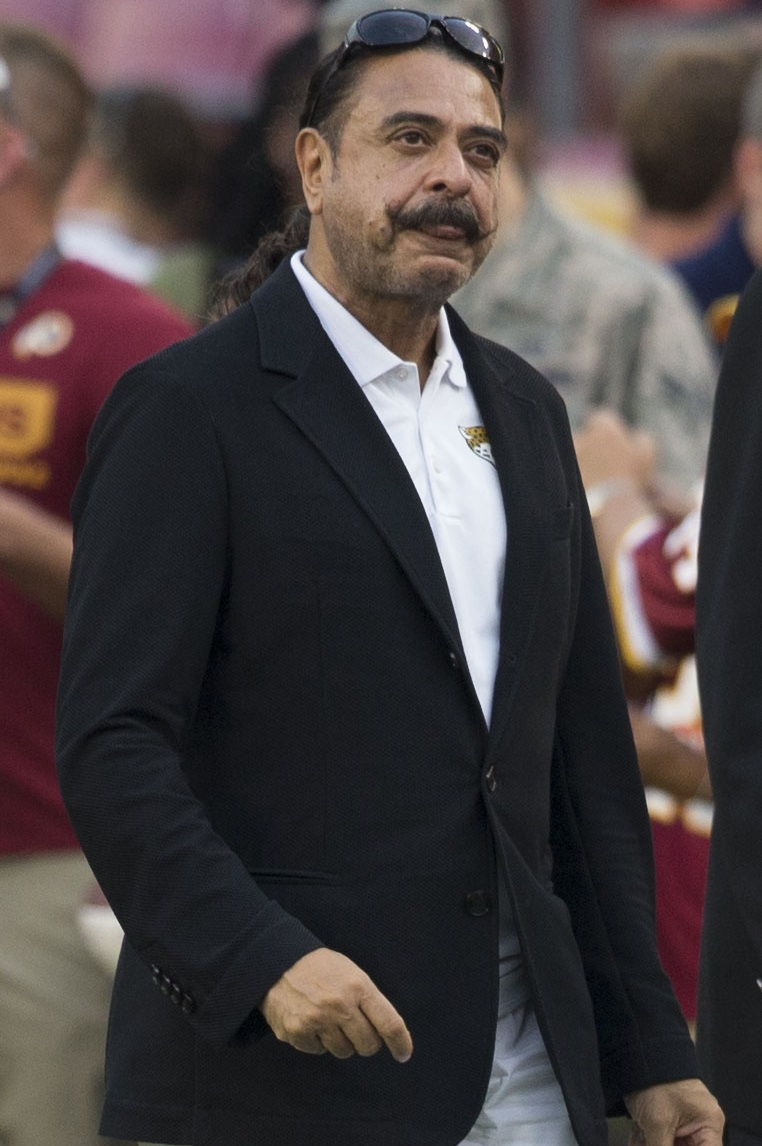
Portrait of Saad Mohseni.

At a glance

MOBY Group founded
2002
Founder
MOBY Group
Industry
Media, broadcasting

The journey

Key milestones in Saad Mohseni’s life and business journey.

  1. 1982

    Family moves to Australia

    After the Soviet invasion; he was born in London to an Afghan diplomatic family.

  2. 2002

    Returns to Kabul; founds MOBY Group

  3. 2003

    Launches Arman FM

    The first private radio station.

  4. 2004

    Launches TOLO TV

  5. 2009

    Launches Farsi1

  6. 2012

    21st Century Fox takes a minority stake

  7. 2014

    MOBY reaches a majority of Afghans

  8. 2021

    Keeps MOBY on air after the Taliban’s return

The business story

Born in London to an Afghan diplomatic family; the family moved to Australia in 1982 after the Soviet invasion. A former investment banker, he returned to Kabul in 2002 and founded MOBY Group with early US-government development funding, launching Arman FM (2003), TOLO TV (2004), and Farsi1 (2009). 21st Century Fox took a minority stake in 2012; by 2014 MOBY reached a majority of Afghans and later spanned ~17 businesses across seven markets. He kept MOBY on air after the Taliban’s 2021 return.

Mohseni's edge came from holding two toolkits at once.

From the HustleMemo profile

Before MOBY

Saad Mohseni was born in London to an Afghan family; his father was a diplomat, so his early years followed the rhythms of a foreign-service household rather than life inside Afghanistan. After the Soviet invasion, the family moved to Australia in 1982, and Mohseni grew up as part of the Afghan diaspora: tied to the country by identity, shaped by Western institutions.

Before media, he worked as an investment banker. That training matters for understanding what came next. He would approach Afghan broadcasting less as a mission or a mouthpiece and more as a set of businesses with audiences, advertisers, revenue and, eventually, outside shareholders.

Building MOBY Group

Mohseni went back to Kabul in 2002, soon after the US-led intervention removed the Taliban from power. The country lacked most of what a media company normally assumes, from reliable electricity to a healthy economy, but the new order welcomed exactly what the previous regime had banned, including music and television. He founded MOBY Group that year, with early support that included US-government development funding.

The launches came in sequence. Arman FM arrived in 2003 as Afghanistan's first private radio station, bringing pop music and a looser on-air style. TOLO TV followed in 2004 and became the flagship, mixing news, drama, talent contests and entertainment. In 2009 Farsi1 extended the group's reach to Persian-speaking viewers beyond Afghanistan, including in Iran.

Outside validation followed. In 2012, 21st Century Fox took a minority stake, a fitting twist for a man the press had nicknamed the Rupert Murdoch of Afghanistan. By 2014 MOBY reached a majority of Afghans, and over time it grew into roughly seventeen businesses across seven markets in South Asia, Central Asia and the Middle East.

How Saad operates

  • From the West he brought financial fluency, access to capital and a habit of thinking in brands and audiences.

    From his roots he brought language, cultural instinct and the standing of someone building for his own country. Neither foreign donors nor local players had the full combination, and it let him see a market where others saw only risk.

  • He also built for commercial durability rather than as a funded project.

    A company sustained only by aid rarely expands into several countries or attracts a global media investor; MOBY did both.

  • The same choices created his central vulnerability.

    Early US funding, Western investment and growth that tracked the 2001 to 2021 era of foreign presence all invite fair questions about independence. The Taliban have gone further and called him an American agent, a political accusation with no documented basis. When the Taliban returned in August 2021, Mohseni chose to keep MOBY's Afghan channels, including TOLO, broadcasting under censorship and tight limits on women in media. He has described it as a hard choice, and it remains one with no clean answer.

  • No proven legal or financial scandal is attached to his name, a distinction worth noting in an era that also produced the Kabul Bank fraud.

Legacy and lessons

Mohseni showed that a modern media business could be built in one of the hardest operating environments anywhere, and that it could reshape the popular culture of a country long denied one. TOLO's journalism covered corruption and abuses of power, and the open years gave women a visible place on air.

  • Difficult markets can be real markets. Unmet demand can be largest where infrastructure is weakest.

  • Diaspora founders hold a rare combination. Outside capital plus local fluency can open doors neither offers alone.

  • Your backers shape your exposure. Funding sources and political protection become part of the story, especially when circumstances change.

  • Plan for the window closing. A business born in one political order has to reckon with what happens if that order ends.

More hustlers

Explore more business builders