Historical profile

Harry Jayawardena

Tea trader turned magnate who took control of Sri Lanka’s liquor industry through DCSL and built the diversified Melstacorp group across hotels, dairy, plantations and banking.

Don Harold Stassen “Harry” Jayawardena (1942–2025). Began as a tea trader; headed the State Trading Corporation’s tea department in the 1970s; founded Stassen Exports in 1977.

  • Melstacorp / DCSL
  • Sri Lanka
  • Liquor, conglomerate, plantations, banking
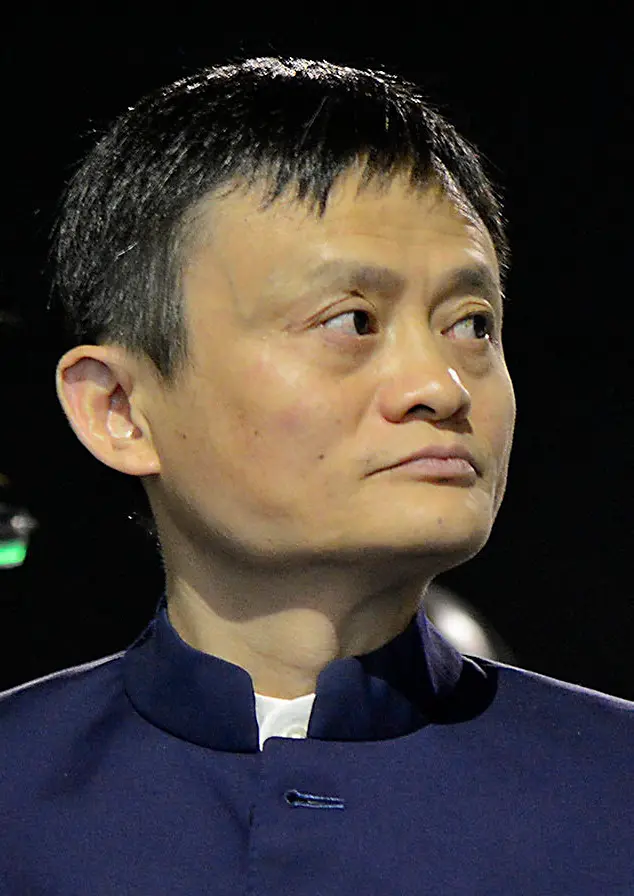
Portrait of Harry Jayawardena.

At a glance

Melstacorp / DCSL founded
1977
Company
Melstacorp / DCSL
Industry
Liquor, conglomerate, plantations, banking
Lived
1942–2025

The journey

Key milestones in Harry Jayawardena’s life and business journey.

  1. 1942

    Born

  2. 1970s

    Heads the State Trading Corporation’s tea department

  3. 1977

    Founds Stassen Exports

  4. 1992

    Acquires control of DCSL

    The largest Colombo Stock Exchange transaction at the time.

  5. 2005

    Deshamanya

  6. 2008

    Executive chairman of SriLankan Airlines

  7. 2010

    Knight of the Order of Dannebrog

  8. 2025

    Dies

The business story

Don Harold Stassen “Harry” Jayawardena (1942–2025). Began as a tea trader; headed the State Trading Corporation’s tea department in the 1970s; founded Stassen Exports in 1977. Acquired a controlling interest in the Distilleries Company of Sri Lanka (DCSL) in 1992 — then the largest transaction on the Colombo Stock Exchange — and built a conglomerate (Melstacorp) spanning Aitken Spence, Lanka Milk Foods, plantations and bank stakes (HNB, DFCC). Executive chairman of SriLankan Airlines from 2008. Deshamanya (2005); Knight of the Order of Dannebrog (2010).

Early life and background

Don Harold Stassen Jayawardena, known to everyone as Harry, was born in Ja-Ela, just north of Colombo, in August 1942. He entered business through tea, the commodity at the centre of Ceylon's economy since colonial times.

In the 1970s he ran the tea department of the State Trading Corporation. Sri Lanka's economy was then tightly controlled, with the state dominating trade, so the role gave him a detailed view of how the country's main export was graded, priced, contracted and shipped. He learned the brokers, the buyers, the auctions and the logistics of getting a perishable crop to distant markets, practical knowledge that later proved hard for competitors to match.

Building Melstacorp

In 1977, the year Sri Lanka began opening its economy to private enterprise, Jayawardena left that position and founded Stassen Exports to sell Ceylon tea abroad. The export house generated foreign-currency income and established him as a successful private operator. By 1988 he had already become a significant shareholder in Hatton National Bank.

His defining move came in 1992, when he took a controlling interest in the Distilleries Company of Sri Lanka. The deal was described at the time as the largest transaction the Colombo Stock Exchange had seen. DCSL led the national liquor market, a legal but socially contested business with steady demand that held up in downturns. Control of it gave him a reliable source of internal cash for the next three decades.

He used that cash to assemble a diversified group, eventually organised under the Melstacorp holding company. It came to include a major position in Aitken Spence, with hotels, shipping and logistics; Lanka Milk Foods in dairy; plantation companies including Madulsima and Balangoda; and stakes in Hatton National Bank and DFCC. He was consistently counted among Sri Lanka's richest people.

How Harry operated

  • Jayawardena's pattern was to build deep expertise inside an institution, move into ownership the moment conditions allowed, then use a dominant cash-generating business to fund expansion elsewhere.

    He was willing to concentrate large risk in a single decisive deal rather than grow step by step, and the 1992 DCSL purchase is the clearest example.

  • The portfolio he built had a clear structure: a liquor business producing cash, agricultural and export roots in tea and plantations, defensive consumer staples, exposure to tourism and trade services, and influence in finance through bank holdings.

    That mix helped the group endure a civil war and repeated currency crises.

  • He was also known as a combative figure.

    Press reports alleged that he threatened a DCSL chairman during a 2006 boardroom fight, and separately that he threatened a customs officer. He was never charged over either claim, and neither was proven. From 2008 he chaired SriLankan Airlines, whose losses drew parliamentary scrutiny; that was a question of performance at a struggling state carrier, and he had no involvement in the later Airbus bribery scandal, which concerned a different chief executive. In 2012 he resigned from the Ceylon Petroleum Corporation, citing personal issues.

Legacy and lessons

Jayawardena died in Colombo in February 2025 at 82, leaving a group that remains part of Sri Lanka's economic core. He was named Deshamanya in 2005 and a Knight of the Order of Dannebrog by Denmark in 2010. His career shows how one trader used the country's post-1977 opening to rise to the top of its economy and stay there for decades.

  • Expertise compounds when converted to ownership. His years in the state tea trade became the basis of a private business.

  • Timing matters as much as skill. He launched just as the economy opened.

  • A cash engine enables diversification. Liquor profits funded the wider group.

  • Separate reputation from evidence. Reported confrontations shaped perceptions but were never proven.

More hustlers

Explore more business builders