Hustler profile

Dara Khosrowshahi

The professional manager’s manager — CEO of Uber and former CEO of Expedia, the executive brought in to repair troubled companies rather than found them.

Born in Tehran in 1969; his Iranian family fled after the 1979 revolution and rebuilt in the US. BS in electrical engineering from Brown (1991). Allen & Company (1991–98); IAC/USA Networks under Barry Diller (1998–2005); CEO of Expedia Group (2005–2017), which he expanded via Travelocity, Orbitz, and HomeAway; CEO of Uber since 2017, brought in to professionalise the company after the Travis Kalanick scandals.

  • CEO, Uber
  • United States
  • Ride-hailing, technology, gig economy
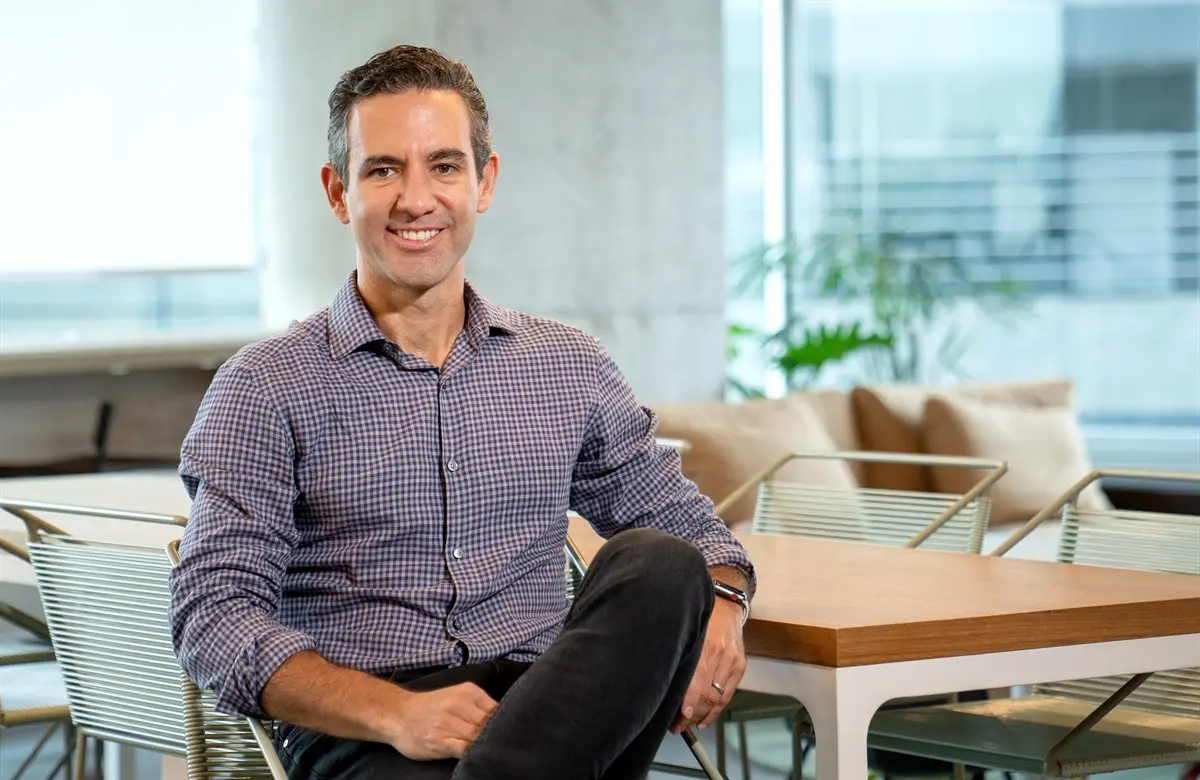
Portrait of Dara Khosrowshahi.

At a glance

Uber founded
2009
CEO
Uber
Industry
Ride-hailing, technology, gig economy
Born
1969

The journey

Key milestones in Dara Khosrowshahi’s life and business journey.

  1. 1969

    Born in Tehran

    His family fled after the 1979 revolution and rebuilt in the US.

  2. 1991

    Graduates from Brown; joins Allen & Company

  3. 1998–2005

    IAC/USA Networks under Barry Diller

  4. 2005–2017

    CEO of Expedia Group

    Expanding via Travelocity, Orbitz and HomeAway.

  5. 2017

    Becomes CEO of Uber

  6. May 2019

    Uber goes public

The business story

Dara Khosrowshahi is a professional chief executive rather than a founder. His career has been built on taking over complex or troubled companies and making them run well: first Expedia, which he grew through acquisitions, and then Uber, which he was hired to stabilise after its founder's exit. He offers a useful contrast to the founder stories that dominate business writing.

His strength is integration and discipline rather than original invention.

From the HustleMemo profile

Early life and background

Khosrowshahi was born in Tehran in 1969 into a prosperous family. After the 1979 revolution the family fled and rebuilt their lives in the United States, initially in far more limited circumstances than they had known in Iran. He has often pointed to that experience of starting again as formative.

He graduated from the Hackley School in New York in 1987 and earned a degree in electrical engineering from Brown University in 1991. Like many technically trained graduates of the period, he went into finance rather than engineering.

Before Uber

From 1991 to 1998 he worked at Allen & Company, the investment bank known for its media relationships. There he came to know Barry Diller, and in 1998 he joined Diller's IAC and the businesses around USA Networks, staying until 2005. Diller is widely seen as his most important mentor, and the approach Khosrowshahi learned there, managing a group of acquired assets as an active portfolio, shaped the rest of his career.

In 2005 he became CEO of Expedia Group, by then an independent public company. Over twelve years he brought Travelocity, Orbitz and HomeAway into the group, consolidating a fragmented market across hotels, flights and holiday rentals. He left with a strong reputation in his industry but little public profile.

Building Uber's turnaround

In August 2017 Khosrowshahi became CEO of Uber, a company with explosive growth and a damaged culture after a run of scandals and its founder's forced departure. He reworked leadership and stated values, settled lawsuits, softened the most combative regulatory stances and took Uber public in May 2019. He is widely credited with putting it on a path to profitability.

The tenure has had serious missteps. In a November 2019 interview he compared the killing of Jamal Khashoggi to a fatal self-driving incident, then quickly retracted the remark and apologised. Uber's CEO-to-median-worker pay ratio, reported at 292 to 1 in 2023, drew criticism, though the company argues the median is skewed by part-time drivers.

How Khosrowshahi operates

  • At Expedia he grew value by acquiring businesses and making them work together.

    At Uber he brought calm, credibility and process to an organisation that had lacked them.

  • HustleMemo's article also tempers the narrative.

    The board had already removed the founder before he arrived, and part of the improvement came simply from replacing a source of constant crises with a steady leader. His stewardship sits at the centre of the unresolved debate over whether gig drivers should be employees or contractors, where he has defended the contractor model while at times proposing compromises.

Legacy and lessons

He shows the value of the executive who arrives after the founding and makes an institution durable, work that founders often do badly.

  • Stewardship is a distinct skill. Governance, regulatory relationships and cultural repair can decide whether a company survives.

  • Acquisition needs integration. Expedia's purchases created value because they were made to function as one group.

  • Context shapes credit. Some of a turnaround comes from contrast with what came before.

  • Public roles leave little margin. One poorly chosen comparison can undo years of reputation work.

More hustlers

Explore more business builders