Hustler profile

Daniel Ek

Co-founder of Spotify — beat music piracy by building a legal product better than free, scaled it to 675M+ users and 263M subscribers, and (as of Jan 2026) serves as executive chairman.

Daniel Ek (born 1983, Stockholm) co-founded Spotify with Martin Lorentzon in 2006. A self-taught coder and serial entrepreneur who dropped out of KTH, he reframed music piracy as a product problem and built a freemium streaming service — instant, vast, and free at the point of use — that out-competed file-sharing.

  • Co-founder & executive chairman, Spotify
  • Sweden
  • Music & audio streaming
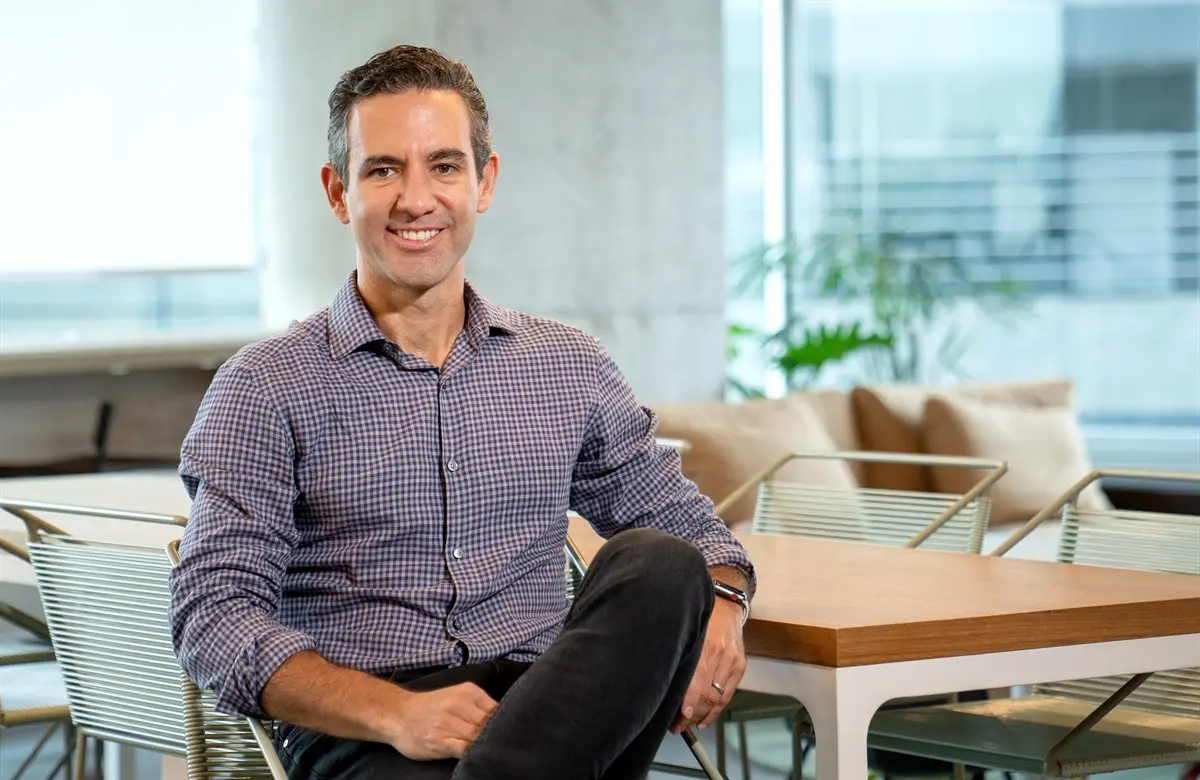
Daniel Ek, co-founder of Spotify.

At a glance

Spotify founded
2006
Co-founder & executive chairman
Spotify
Industry
Music & audio streaming
Born
1983

The journey

Key milestones in Daniel Ek’s life and business journey.

  1. 1983

    Born in Stockholm

  2. 2006

    Co-founds Spotify with Martin Lorentzon

  3. 2008

    Spotify launches

    After roughly two years of label negotiations.

  4. 2011

    Reaches the US

  5. 2018

    Goes public by NYSE direct listing

  6. 2024

    First full-year profit

  7. 1 January 2026

    Becomes executive chairman

    Stepping down as CEO.

The business story

Daniel Ek co-founded Spotify and led it from a Stockholm startup to the world's largest music-streaming service. His central idea was simple to state and hard to execute: piracy could not be beaten in court, only by a legal product good enough that paying became the easier option. Since 1 January 2026 he has been Spotify's executive chairman rather than its chief executive.

Ek treats a market problem as a product problem first.

From the HustleMemo profile

Before Spotify

Ek was born in Stockholm in 1983 and grew up in Rågsved, a working-class suburb. He took to computers early and was reportedly earning money building websites while still in school. He enrolled in engineering at the KTH Royal Institute of Technology but left after roughly eight weeks to work in technology full-time.

What followed was a fast apprenticeship across several companies: a search-optimisation firm, a senior role at the Nordic auction site Tradera, chief technology officer at Stardoll, and his own advertising business, Advertigo, sold to TradeDoubler in 2006. He also briefly ran µTorrent, the file-sharing client. By his early twenties he had enough money to stop working, tried it, and by his own account found it empty. That restlessness sent him looking for a larger problem.

Building Spotify

He found it in the music industry's fight with piracy. Labels were suing services and individual downloaders, and losing. Ek read the situation differently: people pirated because it was free, instant and comprehensive, while legal options were expensive and awkward. In 2006 he co-founded Spotify with Martin Lorentzon to build something better than piracy on those terms.

The product needed licences from the major labels, and those talks took about two years. The labels took equity stakes as part of the deals, which helped align them with Spotify's success and also fed later criticism that streaming economics favour the majors. Spotify launched in October 2008, reached the US in 2011 and listed on the NYSE in 2018 through a direct listing with no underwriters.

Its model was freemium: an ad-supported free tier to compete with piracy on price, and a paid Premium tier for engaged listeners. Playlists such as Discover Weekly drove retention, and the annual Wrapped recap became a strong source of organic marketing. From around 2019 Spotify moved into podcasts through Gimlet, Anchor and a deal with Joe Rogan. By the end of 2024 it had more than 675 million monthly users and 263 million subscribers, and it reported its first full-year profit that year.

How Ek operates

  • Rather than attacking free alternatives, he set out to make the legal experience clearly better, down to an engineering target of near-instant playback.

  • He is also willing to wait.

    Two years of licensing preceded launch, and full-year profitability came only after many more years of growth. He has also shown a taste for unconventional moves, from the direct listing to the push into podcasts as a way to reduce dependence on label-owned music.

  • Since stepping back he has focused on other ventures, including Neko Health and the Prima Materia fund, and he chairs the defence-AI firm Helsing, an investment that prompted protests from some musicians.

Legacy and lessons

Spotify changed how recorded music is distributed and discovered, and its playlists gave the company real influence over what gets heard. That shift has drawn ongoing debate about artist pay and concentrated power.

  • Compete with free by being better. Convenience and quality, not litigation, pulled listeners away from piracy.

  • A free tier can be a funnel. The ad-supported tier both fought piracy and fed paying subscriptions.

  • Some wins need endurance. Years of negotiation and losses came before the model paid off.

  • Distribution power brings scrutiny. Controlling discovery invites hard questions from artists.

More hustlers

Explore more business builders