Hustler profile

Muhammad Yunus

Founder of Grameen Bank, father of microcredit, Nobel Peace laureate — and, at 84, the head of Bangladesh’s post-revolution interim government.

Born in Chittagong in 1940; PhD in economics from Vanderbilt (1969). After the 1974 famine he began lending tiny sums to the rural poor in Jobra, formalising the model as Grameen Bank in 1983.

  • Founder, Grameen Bank
  • Bangladesh
  • Microfinance, social business
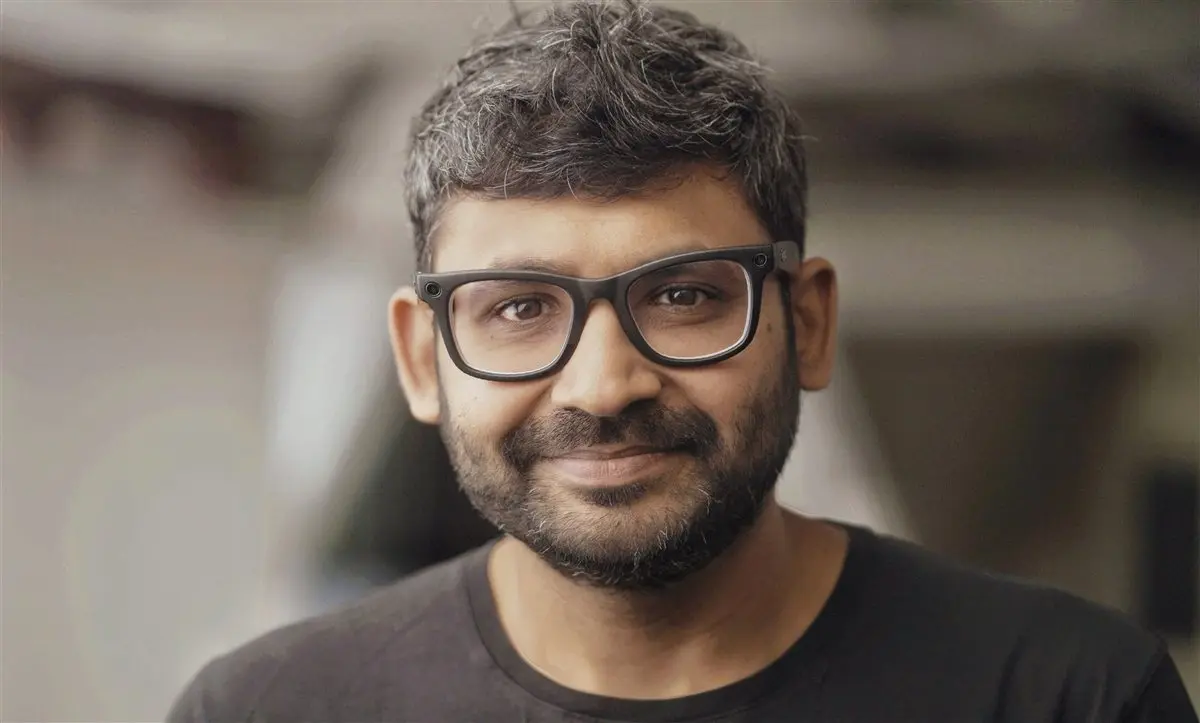
Portrait of Muhammad Yunus.

At a glance

Grameen Bank founded
1983
Founder
Grameen Bank
Industry
Microfinance, social business
Born
1940

The journey

Key milestones in Muhammad Yunus’s life and business journey.

  1. 1940

    Born in Chittagong

  2. 1969

    PhD in economics from Vanderbilt

  3. 1974

    Begins lending tiny sums to the rural poor in Jobra

    After the famine.

  4. 1983

    Formalises Grameen Bank

  5. 2006

    Nobel Peace Prize

  6. 2009–2010

    Presidential Medal of Freedom; Congressional Gold Medal

  7. 2011

    Removed from Grameen Bank

  8. 2024–2026

    Chief Adviser of Bangladesh’s interim government

The business story

Born in Chittagong in 1940; PhD in economics from Vanderbilt (1969). After the 1974 famine he began lending tiny sums to the rural poor in Jobra, formalising the model as Grameen Bank in 1983. Won the Nobel Peace Prize in 2006. Removed from Grameen Bank in 2011 and prosecuted under Sheikh Hasina; after Hasina’s 2024 ouster he became Chief Adviser of the interim government (2024–2026).

Early life and background

Muhammad Yunus was born on 28 June 1940 in the Chittagong region, then part of British India and now Bangladesh, the son of a jeweller in a relatively comfortable household. He took a BA and MA in economics at the University of Dhaka, then a Fulbright scholarship to Vanderbilt University, where he completed his PhD in 1969. In the early 1970s he returned to the newly independent Bangladesh to lead the economics department at Chittagong University.

The 1974 famine broke his confidence in classroom theory. He started spending time in Jobra, the village beside the campus, to understand poverty first-hand. There he found women who made bamboo stools held back by small debts to moneylenders whose terms left them almost nothing. Freeing 42 villagers from that trap took about 27 US dollars. He lent it personally, and it came back.

Building Grameen Bank

That experiment became a method: very small, collateral-free loans, mostly to women, delivered through small groups of borrowers from the same village. No member was legally liable for another's debt, but each group's access to future credit depended on its collective record, so mutual support and scrutiny did the job collateral does elsewhere. Borrowers were also encouraged to adopt the "Sixteen Decisions," pledges covering schooling, sanitation, clean water and refusing dowry.

After years of resistance from banks and officials, Grameen Bank was chartered in 1983, substantially owned by its borrowers. It went on to reach millions of people, and the model spread to roughly a hundred countries, including the United States through Grameen America. His 1997 memoir, Banker to the Poor, carried the argument to a global audience. Through Grameen Telecom he also helped found Grameenphone with Telenor, which became Bangladesh's largest mobile operator and let rural women run village phone businesses.

In 2006 Yunus and Grameen Bank shared the Nobel Peace Prize; he was the first Bangladeshi laureate. The US Presidential Medal of Freedom followed in 2009 and the Congressional Gold Medal in 2010.
How Yunus operates

  • His approach combines a contrarian credit judgement with an unusual view of what a business is for:

  • Testing the assumption everyone accepts.

    Banks treated the poor as unlendable; he tested that belief with his own money and found high repayment.

  • Designing around missing collateral.

    Group structure and reputation substituted for assets the borrowers did not have.

  • Social business.

    He proposed companies whose investors recover capital but take no dividend, reinvesting surplus in the mission, as with the Grameen Danone yoghurt venture.

  • Moral authority over personal wealth.

    He did not build a private fortune, which made him hard to pressure and, for some politicians, harder to ignore.

  • The critiques are real.

    Effective microloan interest can be high, the 2010 Andhra Pradesh crisis showed how unregulated lending harms borrowers, and rigorous studies found microcredit helps households manage poverty more than escape it. A short-lived 2007 party venture led to a long conflict with Sheikh Hasina: he was removed from Grameen Bank in 2011, convicted under labour law in January 2024 and cleared on appeal that August. After Hasina's fall in 2024 he led the interim government as Chief Adviser until early 2026.

Legacy and lessons

Yunus proved at scale that the very poor can be reliable borrowers, and built an institution owned by the people it served.

  • Question the risk assumptions an industry treats as settled; they are sometimes wrong.

  • Structure can replace collateral when it aligns incentives within a community.

  • Even a sound idea suffers when promoted beyond what the evidence supports.

  • Influence built on moral standing carries political risk in proportion to its size.

More hustlers

Explore more business builders