Hustler profile

Sir Jim Ratcliffe

The grammar-school chemical engineer who built INEOS into one of the world’s largest chemical companies through debt-fuelled buyouts — and a pro-Brexit British-business voice who took tax residence in Monaco.

Born in Failsworth, Lancashire in 1952; chemical engineering at Birmingham and an MBA from London Business School. Founded INEOS in 1998 and grew it via debt-financed acquisitions of non-core chemical assets from ICI, BP, Norsk Hydro and others, including the transformational 2006 Innovene deal.

  • Founder, INEOS
  • United Kingdom
  • Chemicals, petrochemicals
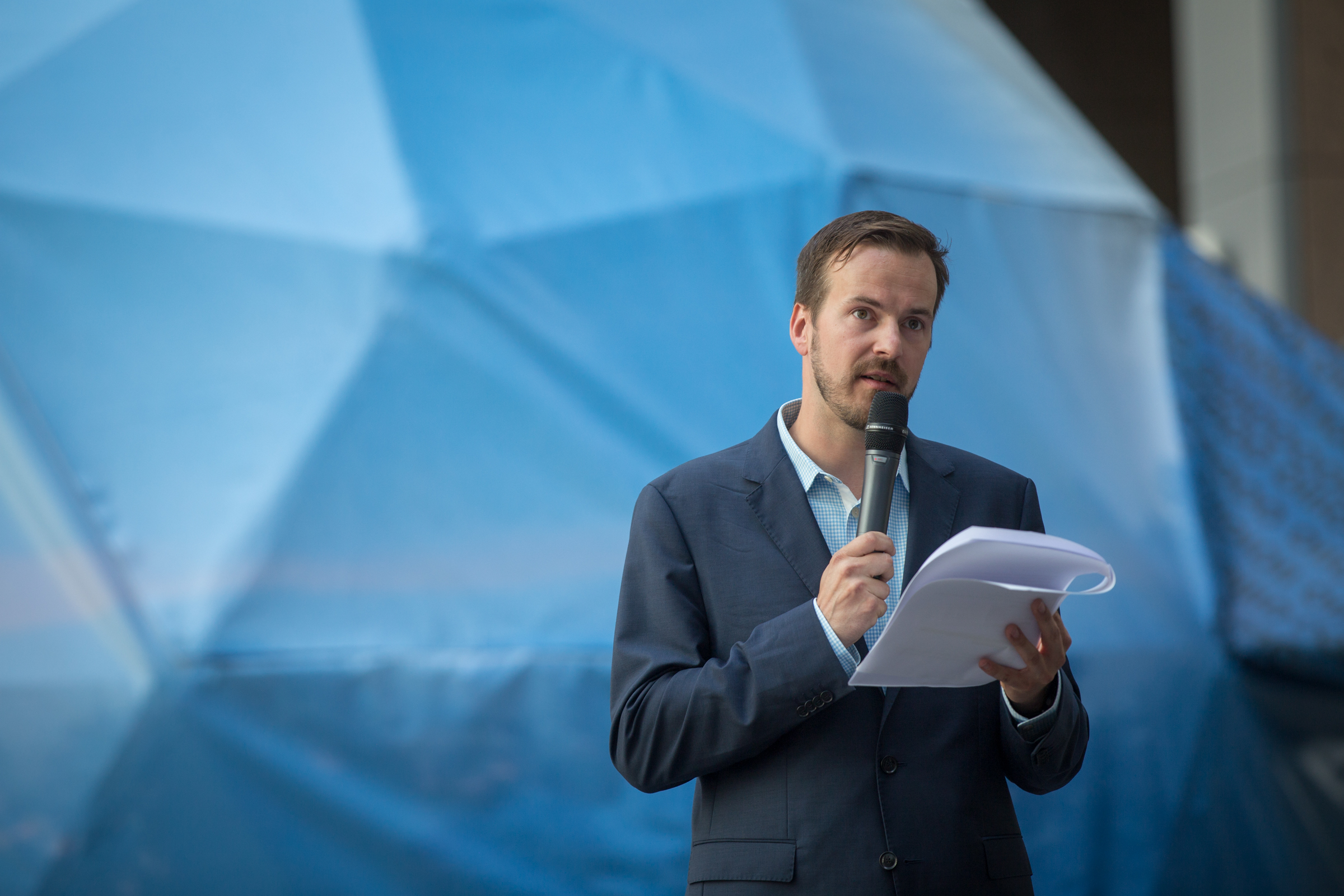
Portrait of Sir Jim Ratcliffe.

At a glance

INEOS founded
1998
Founder
INEOS
Industry
Chemicals, petrochemicals
Born
1952

The journey

Key milestones in Sir Jim Ratcliffe’s life and business journey.

  1. 1952

    Born in Failsworth, Lancashire

  2. 1998

    Founds INEOS

  3. 2006

    Acquires BP’s Innovene division

  4. 2018

    Knighted

  5. September 2020

    Moves his tax residence to Monaco

  6. February 2024

    Acquires ~25% of Manchester United

    Taking control of sporting operations.

The business story

Born in Failsworth, Lancashire in 1952; chemical engineering at Birmingham and an MBA from London Business School. Founded INEOS in 1998 and grew it via debt-financed acquisitions of non-core chemical assets from ICI, BP, Norsk Hydro and others, including the transformational 2006 Innovene deal. Moved his tax residence to Monaco in September 2020; knighted in 2018. In February 2024 acquired ~25% of Manchester United (later toward ~28.9%) and took control of sporting operations.

Before INEOS

Jim Ratcliffe was born on 18 October 1952 in Failsworth, Lancashire, and rose through the classic post-war meritocratic route. He attended Beverley Grammar School, studied chemical engineering at the University of Birmingham, and later took an MBA at London Business School. The pairing mattered. He could assess a chemical plant as an engineer and a leveraged acquisition as a financier, and that dual fluency became the foundation of everything he built.

Before striking out alone he worked in the chemicals industry and in private equity, learning how industrial assets are bought, financed and run. By his mid-forties he chose to apply that experience on his own account.

Building INEOS

INEOS was founded in 1998, starting with the purchase of Inspec and a former BP Chemicals site in Antwerp. From there the strategy stayed remarkably consistent. Large oil and chemical groups such as ICI, BP and Norsk Hydro were being pushed by shareholders to concentrate on core businesses and sell peripheral chemical operations. Ratcliffe bought those unwanted units, often with substantial borrowing, and ran them with tighter cost control than their former parents had applied.

The defining transaction came in 2006, when INEOS acquired BP's Innovene division, a business far larger than INEOS itself at the time. The deal lifted the company into the top tier of global chemical producers, spanning petrochemicals, polymers and specialty products. In 2010, with finances strained after the financial crisis, INEOS moved its headquarters to Switzerland; it opened a London headquarters in 2015.

Ratcliffe was knighted in 2018, and INEOS steadily raised its public profile through sport: cycling, sailing, a sub-two-hour marathon attempt and football on the continent. In February 2024 he acquired roughly a quarter of Manchester United, later moving toward about 28.9 percent, and took charge of the club's sporting operations.

How Jim operates

  • The INEOS method is a repeatable system rather than a sequence of lucky deals:

  • Contrarian asset selection.

    Ratcliffe's view was that the businesses the majors were shedding were poorly owned, not poor businesses.

  • Leverage as discipline.

    Debt let a small buyer acquire much larger assets, and the obligation to service it forced lean operation. The same structure magnifies losses and leaves the group exposed to commodity and energy cycles.

  • Private ownership.

    Staying off public markets gave him speed, room for unpopular bets and freedom from quarterly scrutiny, while concentrating control and risk in his own hands.

  • Unsentimental cost control.

    At Manchester United this meant up to around 450 job cuts and the end of free staff meals, presented by the ownership as necessary and criticised by many fans and staff as austerity.

  • His record also carries documented friction.

    He moved his personal tax residence to Monaco in September 2020, a lawful step reported as potentially worth billions in savings, which critics set against his pro-Brexit, pro-British-industry stance. He called the 0.5-magnitude tremor limit on fracking "pathetic," and Environment Agency data recorded 176 permit violations at one INEOS plant between 2014 and 2017.

Legacy and lessons

Ratcliffe built a private industrial group of global scale from a 1998 start, and estimates of his wealth have ranged from about 17 billion to 29 billion pounds. He is a clear example of how a disciplined financial structure can turn overlooked assets into a large enterprise, and of how that same logic reads differently once it reaches public view.

  • Assets that sellers consider burdens can be valuable under focused ownership.

  • Leverage accelerates growth but demands real skill in managing downside risk.

  • Pairing technical depth with financial literacy is a durable edge in heavy industry.

  • A public identity built on national loyalty invites scrutiny of every personal choice that seems to contradict it.

More hustlers

Explore more business builders