Hustler profile

Sir Brian Souter

Co-founder of the Stagecoach Group who built a transport empire on Thatcher-era bus deregulation — and drew censure for predatory competition and his "Keep the Clause" campaign.

Born in Perth, Scotland in 1954, the son of a bus driver; trained as an accountant. Co-founded Stagecoach in 1980 with his sister Ann Gloag and exploited the Thatcher government’s deregulation of the UK bus industry to build one of Britain’s largest transport groups (buses and, later, rail).

  • Co-founder, Stagecoach Group
  • Scotland
  • Transport (bus and rail)
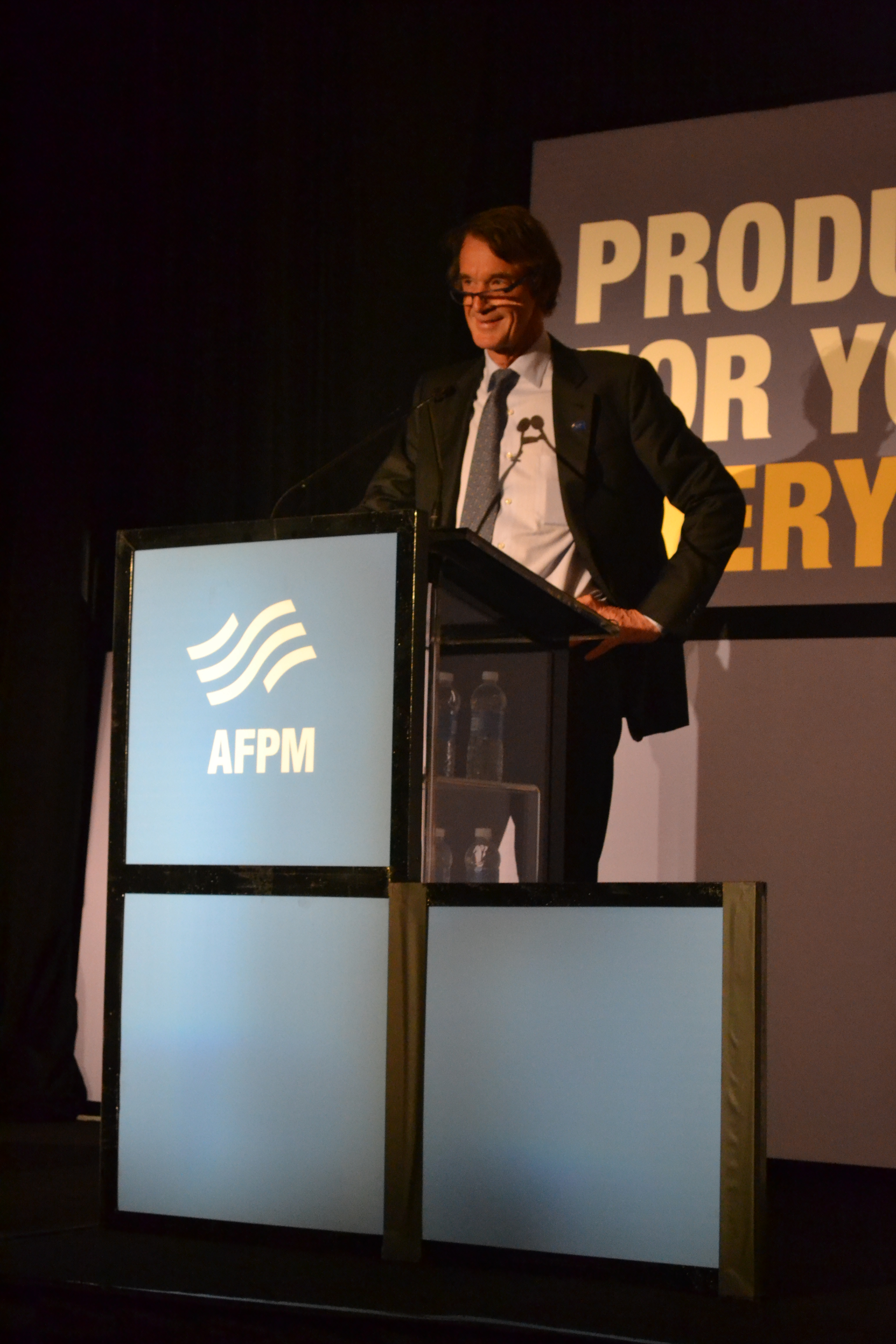
Portrait of Sir Brian Souter.

At a glance

Stagecoach Group founded
1980
Co-founder
Stagecoach Group
Industry
Transport (bus and rail)
Born
1954

The journey

Key milestones in Sir Brian Souter’s life and business journey.

  1. 1954

    Born in Perth, Scotland

    The son of a bus driver; trains as an accountant.

  2. 1980

    Co-founds Stagecoach with his sister Ann Gloag

    Exploiting the deregulation of the UK bus industry.

  3. 2000

    Funds the “Keep the Clause” campaign

  4. 2011

    Knighted

The business story

Sir Brian Souter co-founded Stagecoach, which grew into one of Britain's largest bus and rail groups. He did not create a new product. He recognised, earlier and more forcefully than most, what deregulation of British buses would make possible, and he built a disciplined company to take advantage of it. His record also includes formal regulatory censure and a divisive political campaign, and a fair profile covers both.

His central skill was reading a market at the moment policy reshaped it.

From the HustleMemo profile

Before Stagecoach

Souter was born in Perth, Scotland, in 1954. His father drove buses, so the industry that later made the family's fortune was the one he grew up around. Souter trained as an accountant, and that training shaped how he would later run the business.

He is a devout Christian and a member of the Church of the Nazarene. He has been open about the part his faith plays in his decisions, and it influenced both his charitable giving and his most controversial public intervention.

Building Stagecoach

Souter founded Stagecoach with his sister, Ann Gloag, in 1980. Under Margaret Thatcher's government, the Transport Act of 1985 and related reforms opened Britain's regulated, largely public bus services outside London to private competition and privatised the state operator. Stagecoach was well placed when that happened.

The company moved quickly, kept costs low, competed hard on newly open routes and bought privatised and struggling municipal operators as they came up for sale. When the railways were privatised in the 1990s, Stagecoach won passenger franchises and built a substantial rail business. It also expanded overseas. Souter's fortune reached the hundreds of millions of pounds, and he was knighted in 2011.

The aggression that powered that growth drew official findings. The Monopolies and Mergers Commission found that Stagecoach had, in specific cases, competed in anti-competitive ways against the public interest, with the "Darlington bus war" the most cited example. In 2000 Souter personally funded "Keep the Clause," a campaign and private postal referendum to retain Scotland's Section 2A. It was widely criticised as anti-gay, and the provision was repealed regardless. He has also been a large donor to the SNP. Allegations that those gifts bought influence over transport policy were denied and have not been proven.

How Souter operates

  • The demand for bus and rail journeys already existed; what changed was who could legally supply them.

    Souter moved fast to capture that opening and consolidate it.

  • The accountant's discipline then did the steady work.

    Buses were treated as assets to be worked hard, routes as investments to be measured and acquisitions as numbers to be justified. That rigour let Stagecoach absorb a series of acquired operators into one efficient group, and it explains why the company succeeded where many others that rushed into the deregulated market did not.

  • The same dependence on policy meant his business was never far from government.

    Competition regulators, political donations and franchise obligations all kept his commercial interests tied to the state.

Legacy and lessons

Souter is a clear example of a fortune made from a change in rules rather than from invention, and of the scrutiny that comes with it. Through a foundation set up with his wife, he has also given substantially to causes, many shaped by his faith.

  • Policy shifts create markets. Deregulation and privatisation turned an old service into an open contest, rewarding whoever moved first.

  • Execution separates winners. Many entrants chased the opening; disciplined cost control is what made Stagecoach last.

  • Competing hard has limits. Regulators found that some tactics harmed the competition deregulation was meant to produce.

  • Regulated businesses live with the state. Donations and campaigns by their owners will always be read against their commercial interests.

More hustlers

Explore more business builders